resources
Reading Dracula
For readers and reading groups: follow the novel’s many narrators, keep track of its clues and plan your discussions. Questions for a first reading avoid spoilers; discussion of the ending is clearly marked.
Read the complete novel free on this website, chapter by chapter, on a phone, tablet or computer. For a course or classroom, use Studying Dracula.
Start here
| If you are | Go to | You will find |
|---|---|---|
| Ready to read the novel | Read Dracula online | All 27 chapters and the final note, with chapter navigation and links back to this guide |
| New to the novel | Before you begin and Who writes what? | How the story is told, a note on content, the editions and audio to choose, and a guide to its voices |
| Reading with a group | A six-session reading plan and the reading guide (PDF) | Six sessions with reading times and a question for each, and a printable guide for members |
| Looking for a different way in | Read it on its own dates | Reading each entry on the day it is dated, from 3 May to 6 November |
| Finished, or ready to discuss | Questions for a first reading and After you finish | Spoiler-free questions, and a separate discussion of the ending |
| Wondering what to read or hear next | After the novel | Literary history, more Stoker stories, adaptations and further reading |
| Studying the novel for an exam or course | Studying Dracula | Six chapters from getting started to writing and revising essays, with separate guidance for UK and Irish courses and the US system. |
How the novel is told
Dracula is told through diaries, letters, reports and other records rather than by a single narrator. On a first reading, follow who is speaking, when they are writing and what they can know. You do not need to solve every mystery immediately.
Age and content
We suggest the full novel for older teenagers, generally aged 15–16 and above, with a teacher or parent deciding what suits the individual. Many members of Bram’s family read the book at around eleven. This is editorial guidance, not a formal age rating. The novel includes frightening scenes, blood and violence, threats to children, death, sexual threat and coercion, and period language and attitudes concerning race, nationality, disability and gender. Edited versions can suit younger readers; the younger-reader guide introduces adapted books, and the teacher resources identify possible starting points.
For children and younger readers, use Studying Dracula for younger readers: adapted editions, shared reading and activities, including Meet Bram Stoker for Years 3–6.
Editions, text and audio
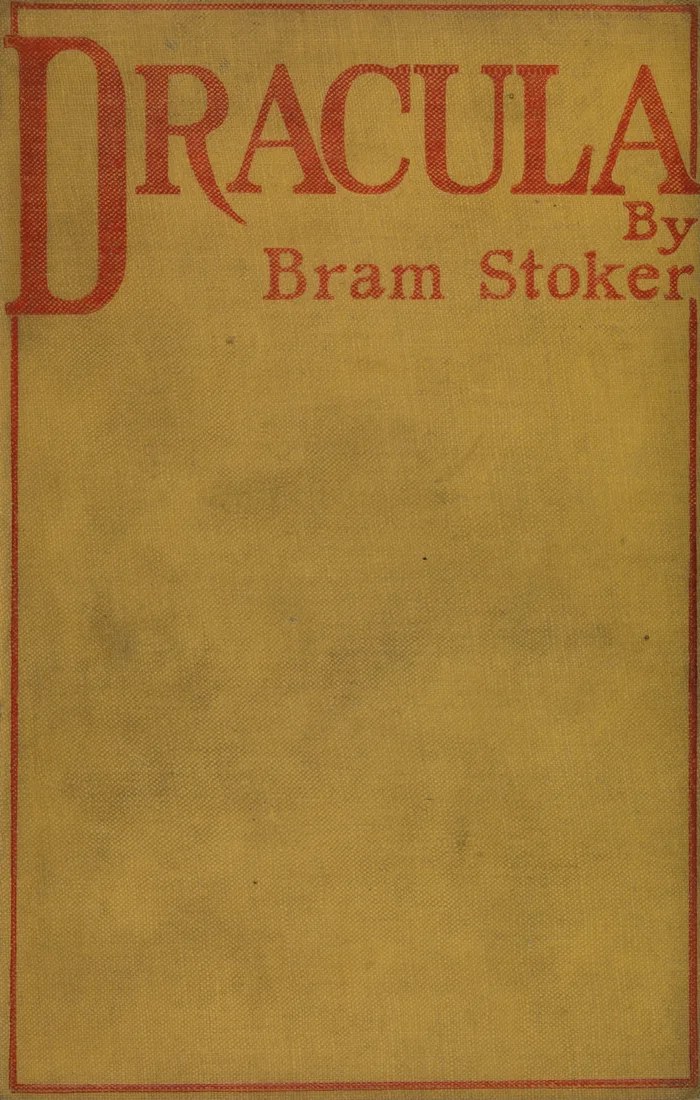
Choose a complete text if you want to read the novel as published. An annotated edition can explain unfamiliar references; introductions sometimes reveal later events, so you may prefer to save them until you finish. New to studying Dracula compares the editions most often used, and the Bibliography lists more.
- Free text. Read the complete novel on this website, chapter by chapter, using our Estate reader. It uses the Project Gutenberg transcription; Gutenberg also offers e-reader downloads. A library can advise on large-print and accessible editions.
- Unabridged audio. LibriVox lists free volunteer recordings. Commercial unabridged readings include multi-voice versions, with a different reader for each narrator, which make the changes of document easy to follow. LibriVox’s full-cast recording.
- New in 2026: Audible’s full-cast Bram Stoker’s Dracula (released 1 October 2026) is an adaptation, not a reading of the complete text. It retells the story through Mina’s assembling of the documents, so it makes a useful comparison with how the novel itself is put together. Recording details.
- Other dramatisations. Radio and full-cast audio adaptations are enjoyable in their own right but shorten and change the story. Check the description before choosing.
Reading aloud together, listening while following the text, and keeping a short narrator-and-date log can make the shifts of voice easier to follow.
For other languages, see Dracula in translation. For copying, performance, images and later editions, see Using Bram’s work.
Accessible editions and audio
RNIB Reading Services offers eligible UK readers DAISY audio and electronic braille. RNIB Bookshare supports eligible learners with accessible educational material. Calibre Audio is another service to consult for eligibility and catalogue availability.
Ask a school or public librarian about large print, braille and dyslexia-friendly formats. Graded or easy-reading adaptations change the language and may shorten the story: they can support access, but should be identified as adaptations when compared with the original.
Three things to notice
- Voices and evidence. Who records an event, who reads the record, and what remains uncertain? Does the form of a letter, diary or report affect how much you trust it?
- Time and place. Keep a simple note of dates, journeys and locations. Notice when the narrative moves between people or returns to an earlier event.
- Old fears and modern tools. Watch how medicine, communication and record-keeping meet folklore and belief. When do the characters find these ways of understanding helpful, and when do they struggle?
Who writes what?
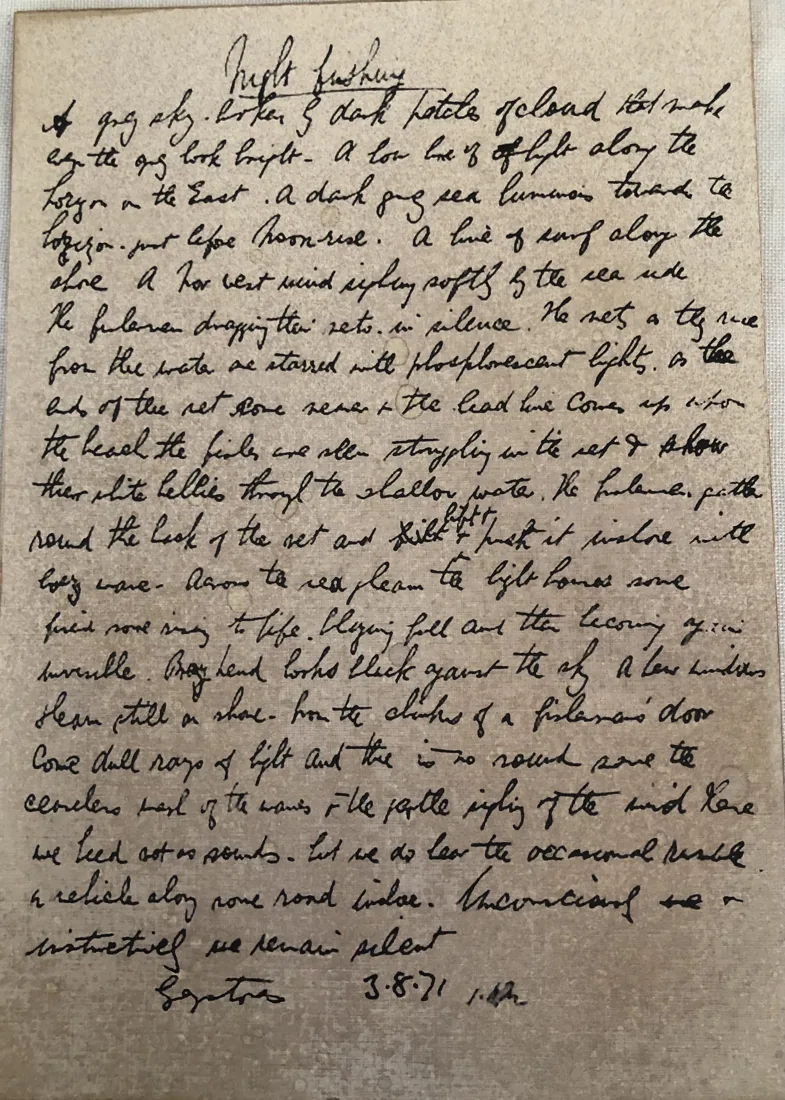
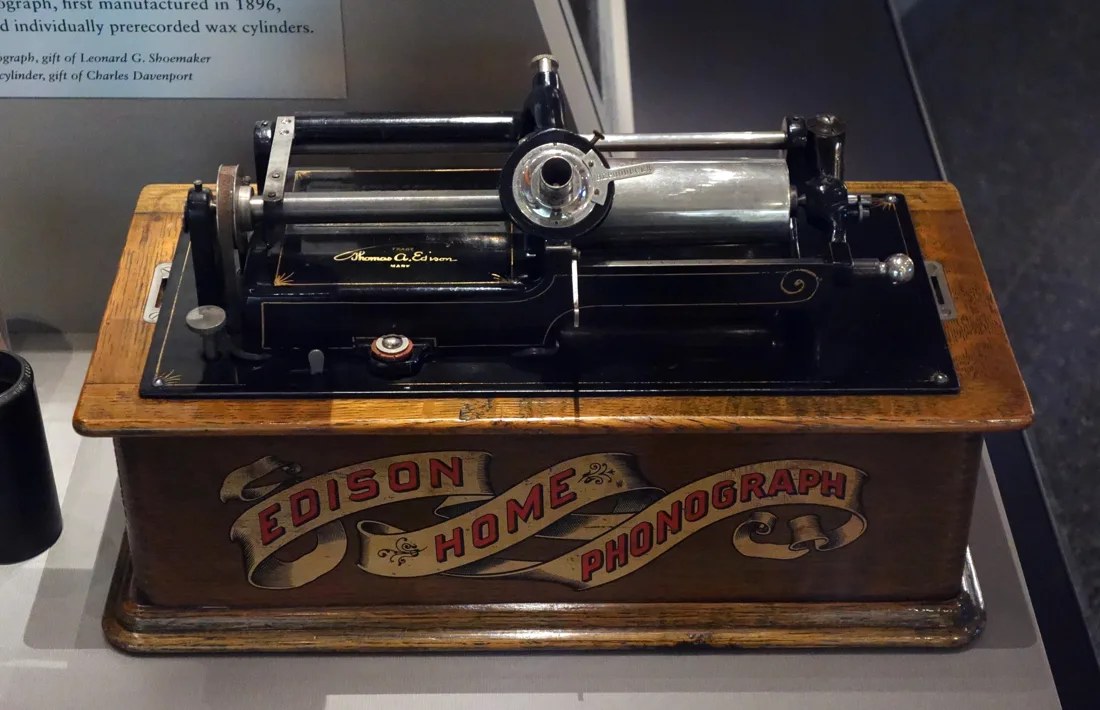
Jonathan Harker keeps a journal, initially in shorthand. Mina writes a journal and letters, then types and arranges the group’s records. Lucy’s letters and diary offer a different view of events. Dr Seward records his diary on a phonograph; Van Helsing contributes letters and a memorandum. Newspaper cuttings, a ship’s log, telegrams and business correspondence bring other kinds of evidence into the collection. At each change of document, ask who produced it, who can read it, and what it cannot tell us.
Compare the Count’s letters and Harker’s reports of his speech in Chapters 1–3 of the novel. Distinguish the Count’s own words from what another character concludes about him.
| Voice | Kind of record | First heard | Worth noticing |
|---|---|---|---|
| Jonathan Harker | Journal, kept partly in shorthand | 1 | A young solicitor’s careful eye; what he records against what he can explain |
| Mina Murray | Letters and journal; later the typist of everyone’s records | 5 | How her role grows from correspondent to compiler |
| Lucy Westenra | Letters and diary | 5 | A lighter, more playful voice, and its silences |
| Dr John Seward | Diary spoken into a phonograph | 5 | A doctor’s habit of classifying; his patient Renfield |
| Quincey Morris and Arthur Holmwood | Letters and telegrams | 5 | Friendship among the three men who propose to Lucy |
| Newspapers | Cuttings from London papers | 7 | What a reporter can know, and how a public account sounds |
| A ship’s captain | The log of the Demeter | 7 | A found document within the story |
| Solicitors, carriers and a hospital | Business letters | 8 | How ordinary paperwork carries the plot |
| Professor Van Helsing | Letters, notes and a memorandum | 9 | An unusual English; learning that crosses science and older belief |
A six-session reading plan
Read in the novel’s published order. For a group, agree manageable sections and stop at chapter boundaries. At each meeting, distinguish what you know at that point from what an adaptation or another reader may already have revealed. Keep a shared list of questions and revisit it as the evidence changes.
The chapter ranges below open the relevant part of the novel in our free online reader. Use its chapter menu to move through each session’s reading.
A useful reading notebook has four columns: date, narrator, new information and questions. Add only what the text supports; a contradiction or gap may be worth discussing before trying to explain it away.
| Session | Chapters | Length | Focus |
|---|---|---|---|
| 1 | 1–4 | About 23,000 words; 1½ hours | Harker’s journey and the castle. What can he observe, and what does he struggle to explain? |
| 2 | 5–9 | About 27,000 words; 2 hours | Letters, diaries and Whitby. How does the change of voice alter the story? |
| 3 | 10–16 | About 42,000 words; 3 hours | Compare medical explanations with the evidence the characters collect. What makes an account persuasive? The longest session: a group may prefer to split it at 13. |
| 4 | 17–21 | About 30,000 words; 2 hours | Follow the gathering of records. Who controls information, and what happens when someone is excluded? |
| 5 | 22–24 | About 17,000 words; 1¼ hours | Notice how the characters turn knowledge into plans. How do geography and communications help or hinder them? |
| 6 | 25–27 and the final note | About 25,000 words; 1½ hours | Discuss the ending and look back at the documents. What does the final note ask us to believe? |
Reading times assume a comfortable pace of about 250 words a minute; the whole novel is around 160,000 words, or eleven hours.
Read it on its own dates
Almost every entry in Dracula is dated, from 3 May to 6 November of an unnamed year. Reading each entry on its own day turns the novel into a six-month companion and makes its structure vivid: weeks pass in silence, then several documents arrive on a single day. The free email newsletter Dracula Daily, begun by Matt Kirkland in 2021, sends each entry on its date and now reaches more than 200,000 readers each year. A reading group can begin together on 3 May, or pick up the dates partway: the chapter map shows which chapter covers which dates, though it describes the plot.
Read more about Dracula Daily and the closing note →
Dracula Daily’s schedule runs from 3 May to 7 November, but the novel’s own dates stop a day earlier. The last dated entry is on 6 November. The closing note is not dated, and it is set seven years later, looking back on the events. Dracula Daily sends it as a final instalment on 7 November so that readers receive the whole book, and that date belongs to the service, not to Stoker. When building a classroom chronology, end the main timeline at 6 November and show the final note separately as an epilogue seven years on.
Questions for a first reading
- How does Jonathan Harker’s professional role shape the way he notices and describes unfamiliar places?
- What changes when the novel moves to another narrator? Whose experience becomes clearer, and whose remains distant?
- Which details make the documents seem convincing? Where do you begin to doubt a writer’s interpretation?
- How do friendship, trust and the sharing of information affect the characters’ ability to act?
- What does the novel ask you to fear: a person, an unknown place, an illness, a failure to recognise danger, or something else?
After you finish
This discussion refers to later developments and the ending. Open it after finishing the novel.
Show spoilers – discussion after finishing
- How does Mina’s work gathering and arranging documents change the group’s understanding? What does the story suggest about whose knowledge is valued?
- How do the experiences of Lucy and Mina complicate a simple division between people who act and people who need protection?
- Does the ending settle the uncertainties raised by the different narrators? Which questions remain open for you?
- The Count keeps no diary in the assembled record, but his letters and reported speech give him a voice. How does the novel’s form shape what you feel about him?
- How does reading the novel change your understanding of the Count compared with an adaptation you know? Name the particular adaptation rather than treating all screen versions as alike.
Questions readers ask
Is the book like the films? Less than you might expect. The Count of the novel is “a tall old man, clean shaven save for a long white moustache, and clad in black”, with hairs on his palms, who grows younger as he feeds; the evening dress and high-collared cloak came from Hamilton Deane’s 1924 stage play and the films that followed. Most of the story is told by the people hunting him, and there is no love story between the Count and Mina. See Dracula on stage and screen.
Is the Count based on Vlad the Impaler? Not on the evidence that survives. Bram took the name “Dracula” and a little history from William Wilkinson’s book (1820), which he read in Whitby in 1890. His notes do not name Vlad, describe impaling or connect the Count to Bran. McNally and Florescu’s In Search of Dracula (1972) later popularised a close identification. See What inspired Dracula.
Is there a real Castle Dracula?
No. The castle is fictional, and the novel never says exactly where it is. Harker reaches it by carriage from the Borgo Pass, in the north-east of Transylvania. See Where is Castle Dracula?
Is Bran Castle the castle in the novel?
No surviving evidence shows that it is. The novel never names Bran Castle, and Bran lies about 200 km south of the Borgo Pass, near Brașov. Bram could have seen an engraving of Bran in Charles Boner’s Transylvania (1865), a book he used, but none of his notes links it to the Count. Bran Castle now promotes itself as “Dracula’s Castle”. Bran Castle’s own account and Duncan Light’s history of Dracula tourism explain how that came about.
For your group: how far does the novel support Bran’s claim? The printable sheet Dracula’s castle? (PDF) sets out the evidence.
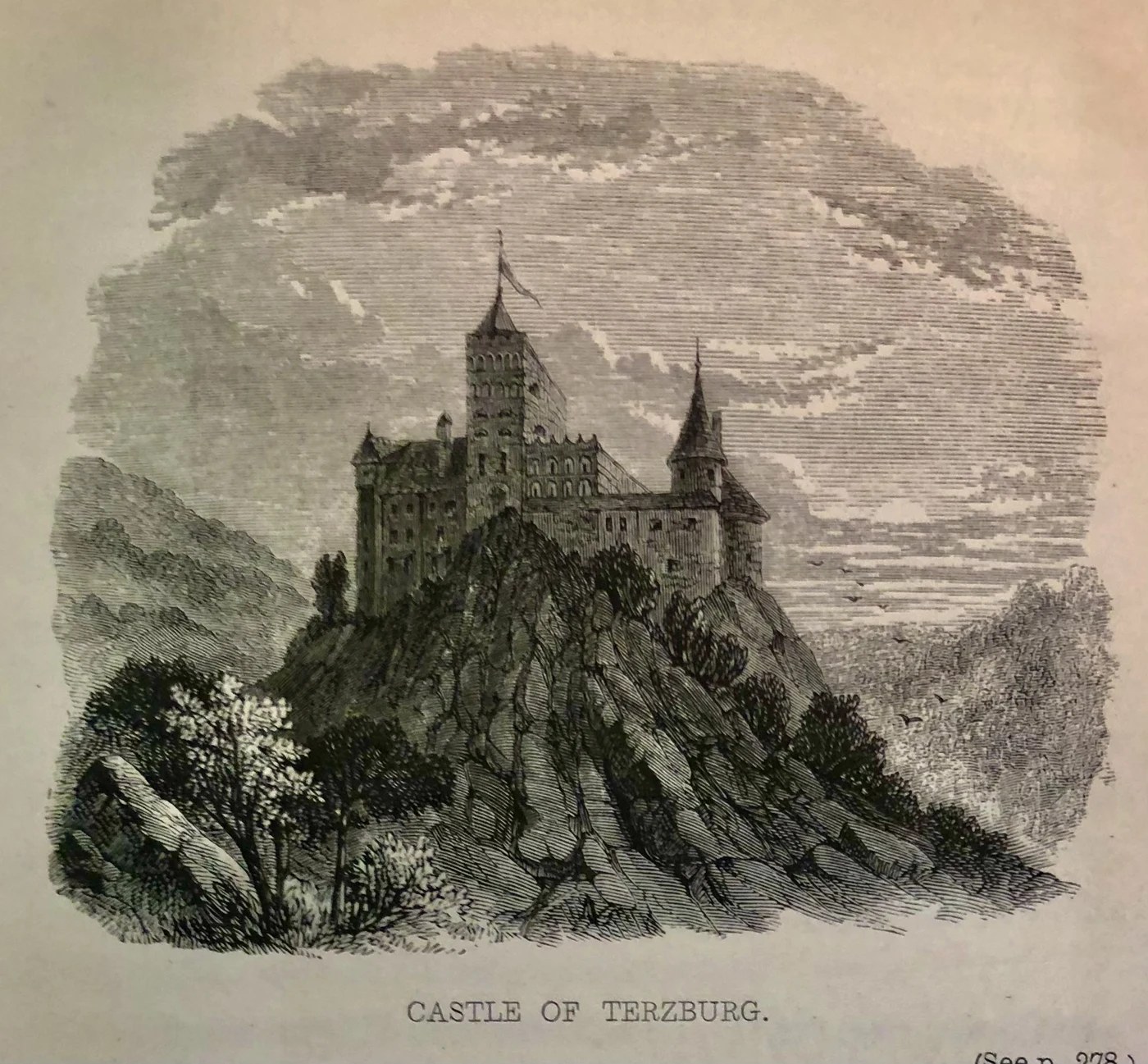
Did Bram write anything else? Novels, stories, a book about Henry Irving and much more. See Other works and the free-text catalogue.
Keep exploring
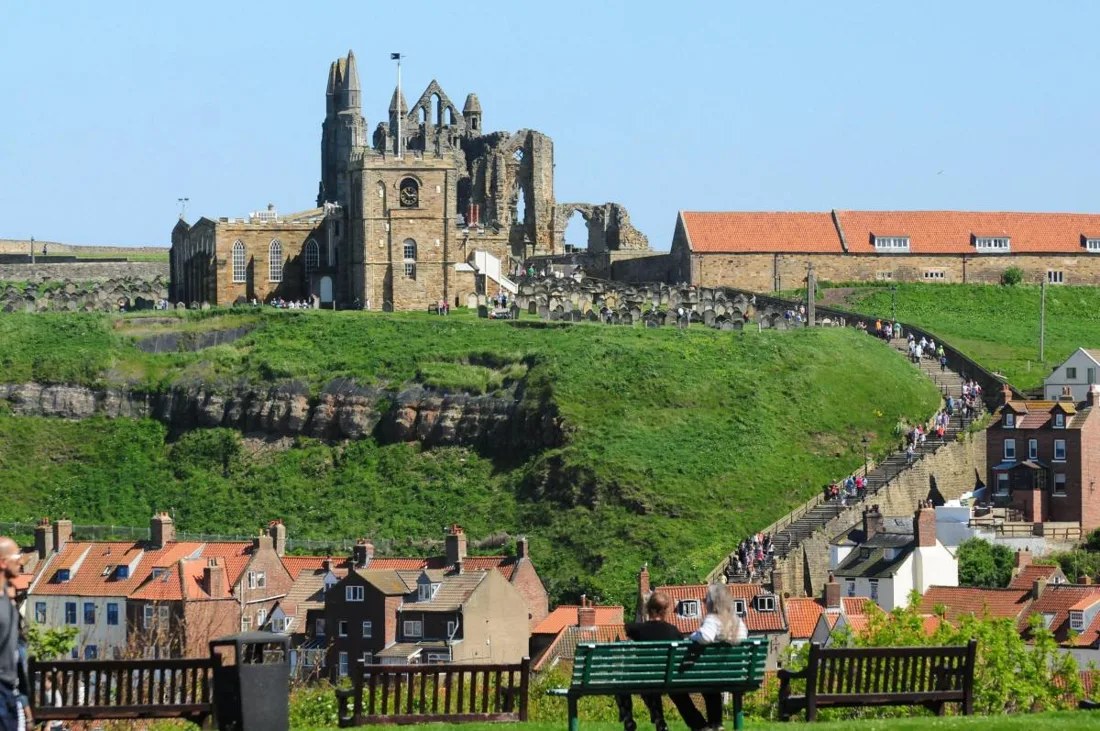
- Understand its literary design. Gothic traditions and narrative form explores Gothic inheritance, witnesses and detection.
- Two further example essays look at Mina Harker and the New Woman and difference and belonging in the novel.
- Try another Stoker story. “The Judge’s House” appears in Dracula’s Guest and Other Weird Stories. The rediscovered Gibbet Hill offers another short encounter with his Gothic imagination.
- Follow another version. Dracula on stage and screen traces adaptations; the Bibliography’s reworkings and sequels includes novels that give familiar figures new voices.
- Go behind the book. What inspired Dracula follows Bram’s research; Museums and visits suggests places to explore.
For further books, use the Bibliography’s key books. For short factual answers, see Questions about Dracula.
The London Library source-book discoveries, also reported by The Bookseller, show one way that research can change our picture of how a novel was made.
Downloads
- Dracula reading guide for groups and first-time readers (PDF): the plan, the questions and a reading-notes template in four printable pages.
Prepared by the Bram Stoker Estate. Page last updated 8 November 2026. Report a correction here.