work
Dracula on stage and screen
Dracula’s life on stage and screen is a history of reinvention. Every production brings a different interpretation with performers, directors and designers changing the Count’s appearance, motives, surroundings and even death while remaining true to aspects of the core of Bram’s central creation. The examples below trace selected milestones rather than attempt a complete filmography.
For the first stage reading and the history of the novel, see Dracula. Florence Stoker tells the story of licensing and the Nosferatu dispute; this page follows what adaptations did with the material.
Milestones
| Year | Adaptation | Why it matters |
|---|---|---|
| 1897 | Dracula: or The Un-Dead, Lyceum Theatre, London | Bram’s own one-off reading on 18 May to protect the stage copyright. |
| 1922 | Nosferatu, dir. F.W. Murnau | Unlicensed. Premiered in Berlin on 4 March 1922. Florence Stoker pursued the makers through the German courts, which in July 1925 ordered the negative and prints destroyed. Some survived. Read the full story. |
| 1924 | Hamilton Deane’s Dracula, Grand Theatre, Derby | The first licensed stage adaptation, first performed at Derby’s Grand Theatre on 15 May 1924. It introduced the Count’s evening dress and high-collared cloak. Dracula has since returned to Derby: see the centenary project press release. |
| 1927 | Deane and Balderston’s Dracula, Broadway | After a London run that opened at the Little Theatre on 14 February 1927 and moved through three other West End theatres, the play was revised by John L. Balderston for producer Horace Liveright. It opened at the Fulton Theatre, New York, on 5 October 1927, starring Bela Lugosi, and ran for 261 performances. |
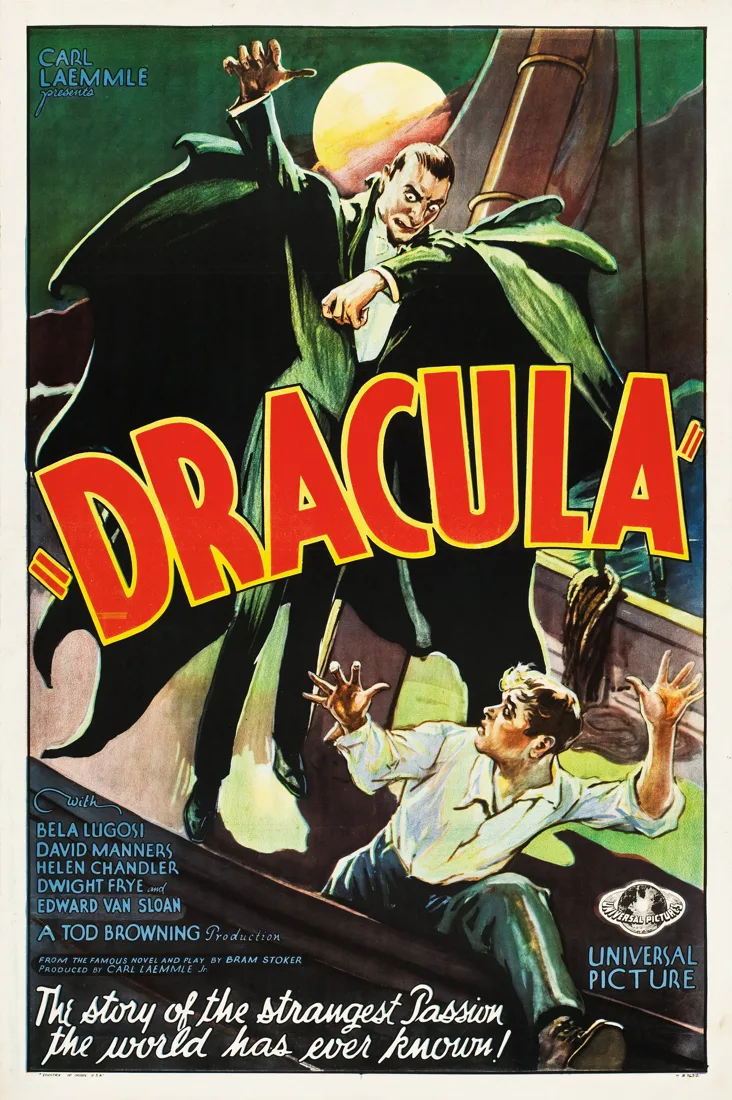
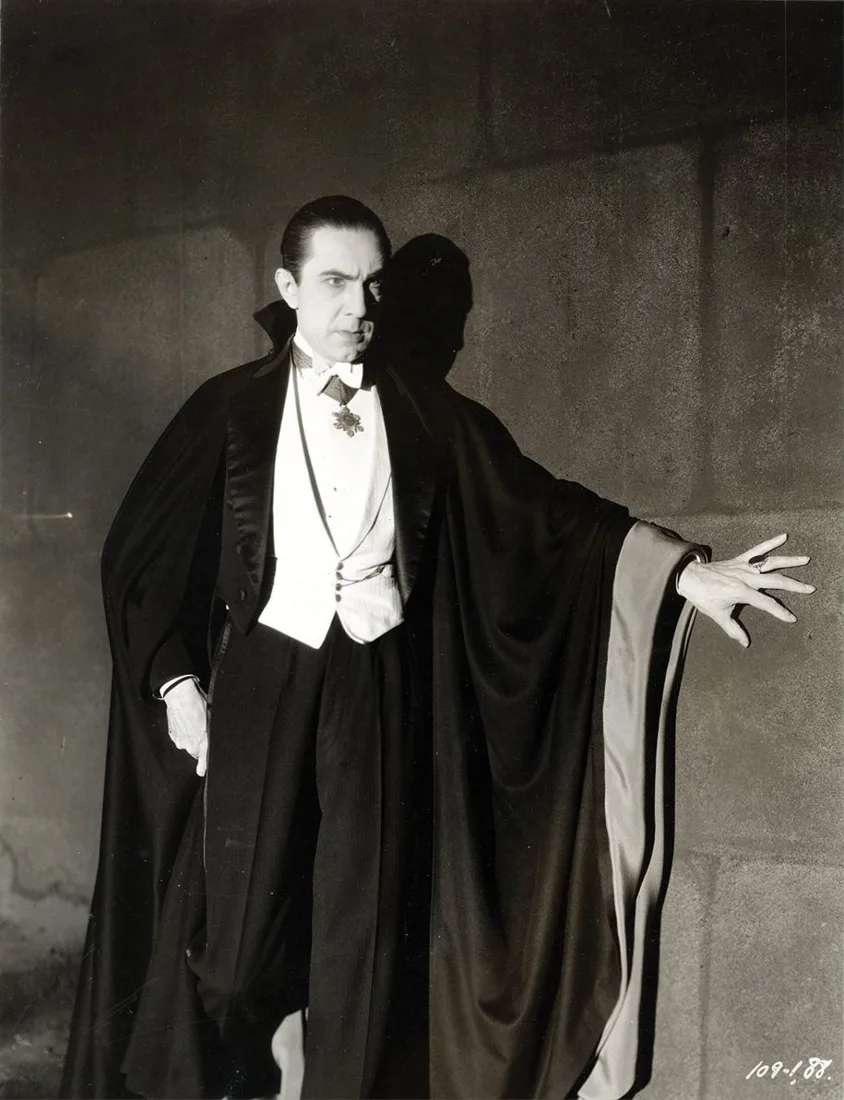
| 1931 | Dracula, Universal, dir. Tod Browning | Universal bought the rights to the novel and the Deane–Balderston play in 1930. Lugosi’s performance defined the Count for a generation. |
| 1931 | Drácula, Universal, directed by George Melford | A Spanish-language production used the same sets as the Lugosi film with a different cast, extending the screen story across languages. |
| 1939 | Hamilton Deane’s Dracula, Lyceum Theatre, London | Deane, now playing the Count himself, transferred his revival from the Winter Garden to the Lyceum, where it ran from 25 April to 13 May 1939. The licensed stage adaptation had reached the theatre of Bram’s 1897 copyright reading. |
| 1953 | Dracula in Istanbul, directed by Mehmet Muhtar | A Turkish adaptation through Ali Rıza Seyfi’s local reworking, illustrating how Dracula changes through translation and setting. |
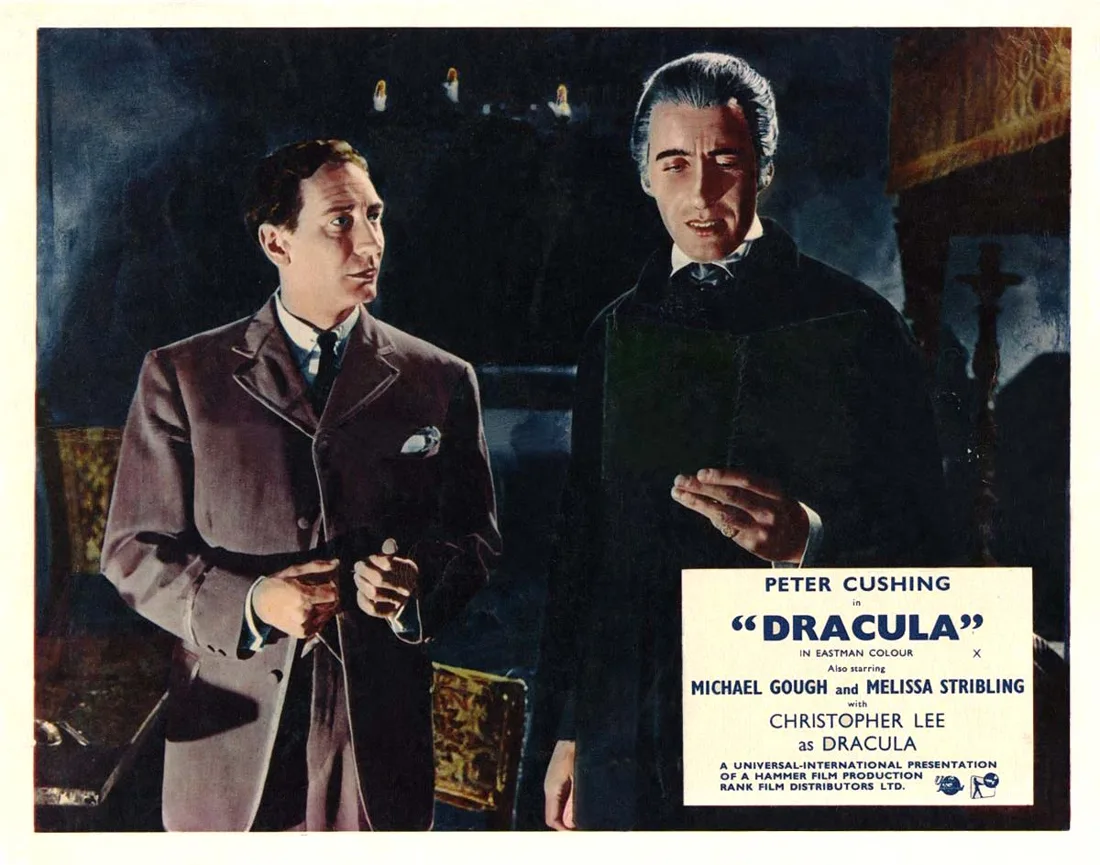
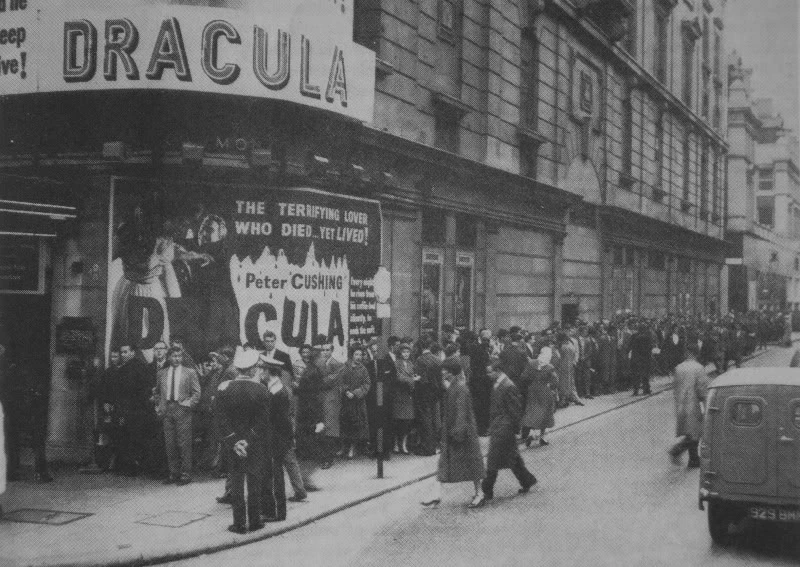
| 1958 | Dracula, Hammer Films, dir. Terence Fisher | Christopher Lee and Peter Cushing brought the Count and Van Helsing into Hammer’s vivid colour cinema. |
| 1977 | Count Dracula, BBC | Louis Jourdan and Frank Finlay brought the story to television in a dramatisation of the novel. |
| 1979 | Dracula, dir. John Badham | Frank Langella, transferring from his Tony-nominated Broadway role. |
| 1979 | Nosferatu the Vampyre, directed by Werner Herzog | Revisits Murnau’s imagery and brings a melancholy reading of the vampire to the story. |
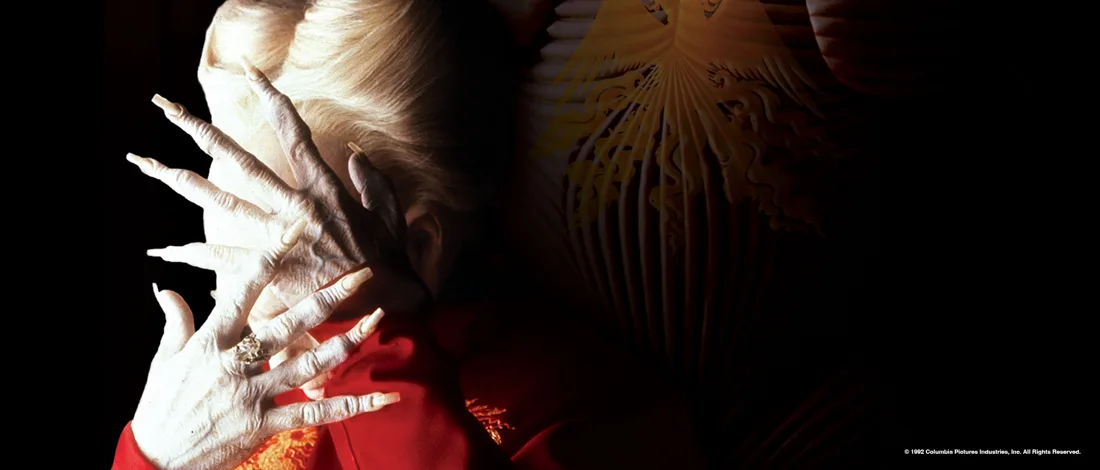
| 1992 | Bram Stoker’s Dracula, dir. Francis Ford Coppola | Gary Oldman’s Count appears in an elaborate visual reimagining that foregrounds romance alongside horror. |
| 2020 | Dracula, BBC/Netflix | Claes Bang, written by Mark Gatiss and Steven Moffat. |
| 2024 | Nosferatu, directed by Robert Eggers | A new reimagining of Murnau’s film and Stoker’s legacy, showing the continuing power of the story. |
| 2025 | Dracula, dir. Luc Besson | Caleb Landry Jones plays the Count in a romantic reimagining centred on his search for a lost love. |
| 2026 | Dracula, Noël Coward Theatre, London | Cynthia Erivo plays all 23 roles in Kip Williams’ one-woman adaptation for Sydney Theatre Company, 4 February – 30 May 2026. |
| 2026 | Hammer’s Dracula (1958), 4K restoration | Restored by Hammer and Silver Salt with Warner Bros, reinstating footage previously seen only in Japan in 1958. In UK cinemas from 16 October 2026; collector’s edition from 26 October (John Gore Studios). |
| 2026 | Bram Stoker’s Dracula, Audible Original | Released 1 October 2026. A full-cast audio adaptation by Robyn Ahern, directed by Mary Lambert, with Jonathan Bailey as the Count, Ella Purnell as Mina and Maggie Gyllenhaal as Van Helsing; released in English, French, Italian and two Spanish versions, with German and Brazilian Portuguese in 2027. It is told around Mina’s reconstruction of the documents. |
Nosferatu: adaptation and survival
F. W. Murnau’s Nosferatu brought Dracula to silent cinema in 1922 without a licence from the Stoker Estate. The film changed the names and moved the English part of the story to a German town, but its debt to Bram’s novel remained unmistakable. Count Orlok, played by Max Schreck, is gaunt and visibly inhuman: unlike the elegant Count of later films. Film institute account.
Murnau made the arrival by sea a public catastrophe, joining the vampire to rats, plague and a threatened town. Shadow, landscape and movement took over work that the novel had done through journals, letters and the gathering of testimony. Nosferatu is therefore best approached as a transformation of Dracula, not a filmed illustration of each chapter. Film institute account.
For Florence Stoker, the production was also an unauthorised use of her husband’s work. She pursued the matter with the Society of Authors, and the resulting proceedings led to an order that copies be destroyed. The dispute needs correspondence and legal records, rather than reduced to a story in which every print was burnt and one miraculous copy escaped. The film survived in more complicated circumstances and became a landmark of cinema. Scholarly biography.
The same decade also brought a licensed stage life for Dracula. Hamilton Deane’s adaptation opened in Derby in 1924; later revisions and Bela Lugosi’s performances helped establish another visual tradition. Orlok and the drawing-room Count show how differently Bram’s creation could be remade. Read Florence’s page for her part in negotiating that afterlife. Institutional research announcement.
Read the full story of Florence’s case: Florence Stoker and Nosferatu.
Licensing the Count: from Derby to Universal
The Count most people picture – suave, in evening dress and a high-collared cloak – came to the screen through the stage play Florence licensed, and through a rights deal that brought her financial security in her last years.
Hamilton Deane, from New Ross, County Wexford, joined Henry Irving’s Lyceum company in 1899 and met Bram there. His play, licensed by Florence and first performed in Derby in 1924, turned the novel into a compact drawing-room drama for a touring company. It reached London at the Little Theatre on 14 February 1927 and moved to the Duke of York’s (25 July), the Prince of Wales (29 August) and finally the Garrick (10 October 1927–28 January 1928), 392 performances in all.
The American publisher and producer Horace Liveright hired the Philadelphia-born journalist and playwright John L. Balderston (1889–1954) to revise it for Broadway. Balderston tightened the plot and reduced the cast. He later wrote for Universal, including the screenplay of The Mummy (1932).
The Broadway success drew Hollywood. Universal’s head of production, Carl Laemmle Jr., wanted Dracula, but the rights were divided between Florence, who controlled the novel’s rights where it remained protected, and the playwrights and producers of the stage version. The U.S. position was different: the 1979 judgment in Lugosi v. Universal Pictures states that the novel had always been in the American public domain, attributing this to failure to comply with the deposit requirements in 1897. The play had its own protection, while rights in the novel still mattered outside the United States. Universal secured rights to both.
A note on the U.S. copyright records: the Library of Congress has identified a registration and deposits in 1899. Those later records do not by themselves establish that the requirements tied to the novel’s first publication in 1897 were met.
In 1930 Universal bought the rights to the novel and stage play together for a reported $40,000. That total should not be treated as Florence’s personal payment: the sources do not establish her precise share. The sale and her stage royalties nevertheless provided an important income. Filming began in September 1930, with Lugosi recreating his stage role; a Spanish-language version was shot on the same sets. The film was released in February 1931 and launched Universal’s cycle of horror films.
The look of the Count
The Count of the novel begins as an old man with a long white moustache and grows younger as he feeds. The familiar image of evening dress and an opera cloak developed through later stage and screen portrayals, including those associated with Hamilton Deane and Bela Lugosi. Henry Irving’s commanding presence has been proposed as an influence on the Count, but the best-known theatrical portrayals of the Count came after both Irving and Bram had died.
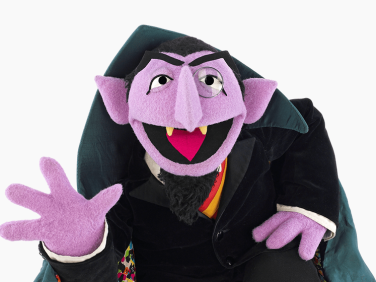
Count von Count: Dracula reaches Sesame Street
Since 1972, Count von Count has brought a friendly, number-loving version of the vampire to Sesame Street. For many children around the world, Count von Count is their first introduction to Dracula. More than half a century later, his cloak, fangs and theatrical manner remain a playful echo of Dracula. The Smithsonian identifies his starting point as a parody of Bela Lugosi’s screen portrayal of the Count: a television descendant of the character Bram Stoker created.
Sesame Workshop reported that its work reached one billion children and adults across 150 countries in 2024. Count von Count would no doubt point out that this was Sesame Workshop, not him. But the Count’s long place in that world shows how far a playful descendant of Bram’s Dracula has travelled.
Meet Count von Count at Sesame Workshop · Sesame Workshop’s 2024 impact report
Beyond the screen
The story also lives through ballet, opera, musicals, audio and illustrated books. Each medium finds different ways to represent a voice, a body or an unseen threat. Explore current performances in Events and selected reading in the Bibliography.
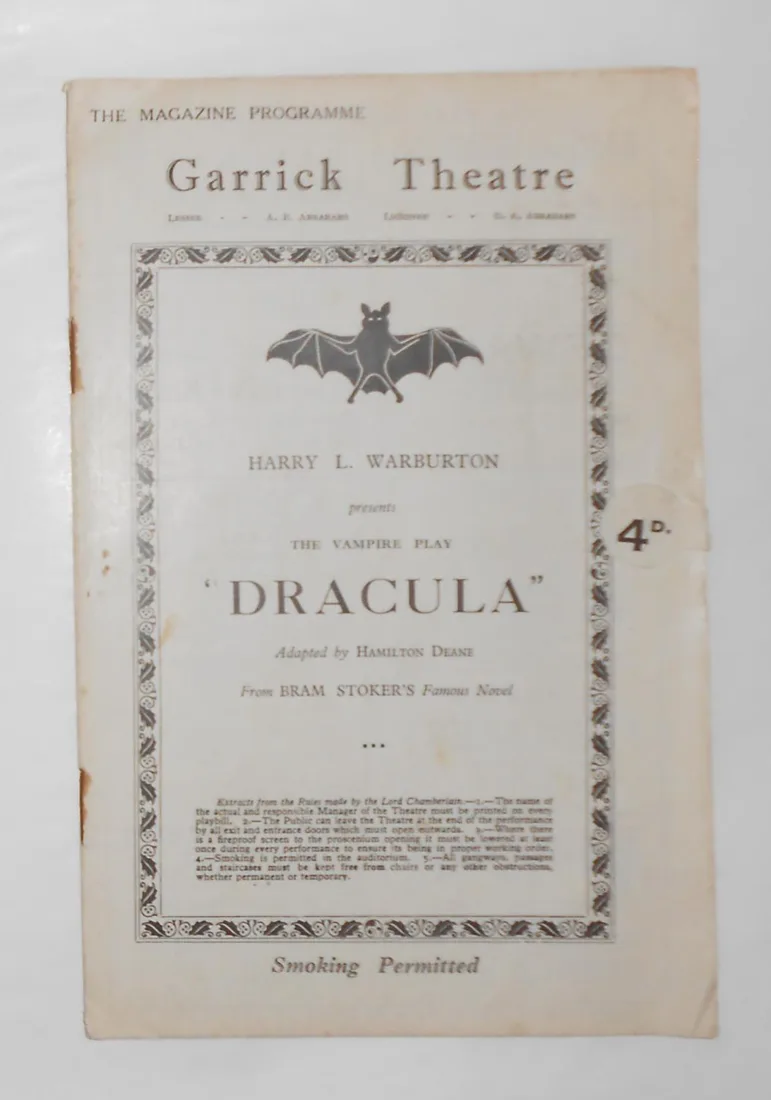
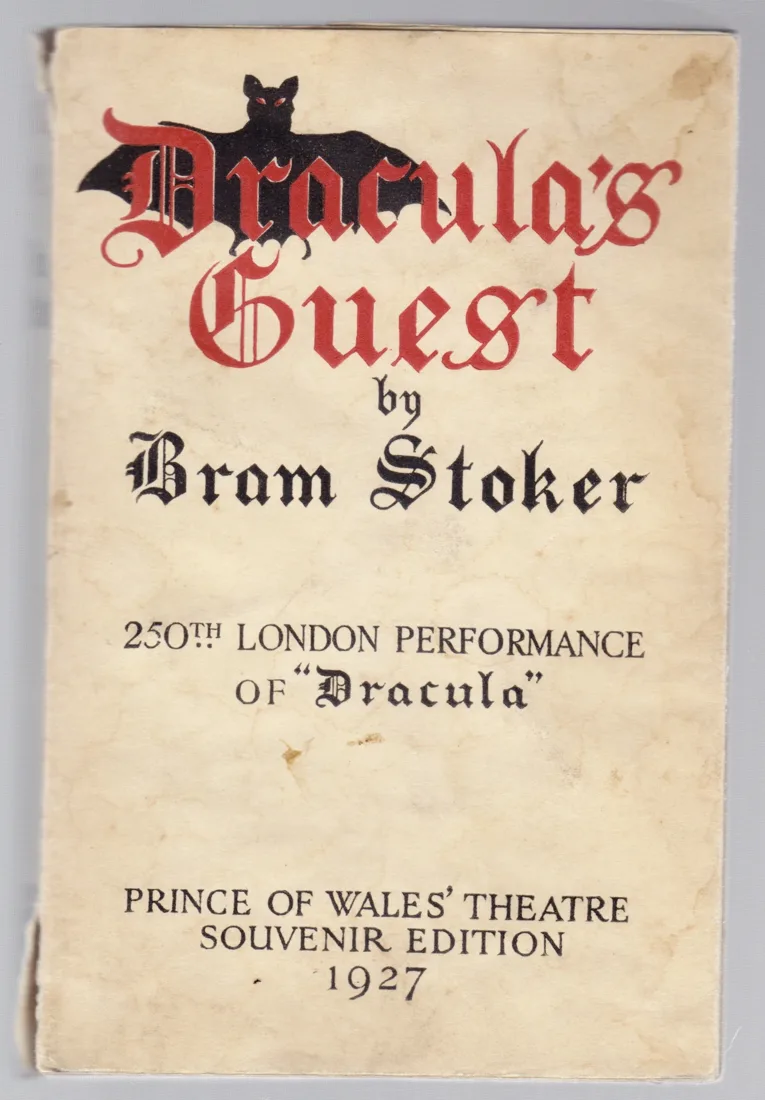
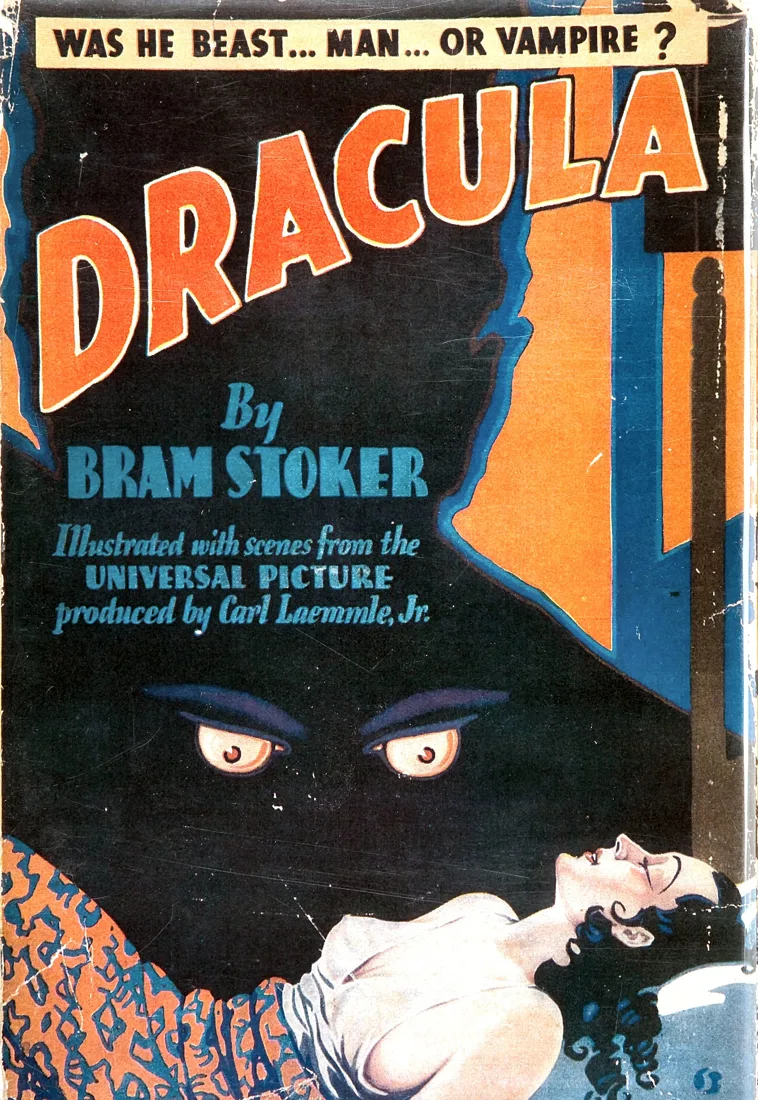
In its August 2015 count, Guinness World Records recorded Count Dracula in 538 cinema and television films, compared with 299 for Sherlock Holmes, his nearest literary rival – almost twice as many. This is a dated comparison, rather than a count of appearances today.
Musicals, ballet, comics and games
| Medium | Work | Documented detail and source |
|---|---|---|
| Musical | Dracula, the Musical | Opened at the Belasco Theatre on 19 August 2004; music by Frank Wildhorn, book and lyrics by Don Black and Christopher Hampton. IBDB production record |
| Ballet | Northern Ballet’s Dracula | David Nixon’s production uses music by Schnittke, Rachmaninov, Pärt and Daugherty. Company production page |
| Comics | Tomb of Dracula | Marvel’s catalogue records issue 1 in 1972, with art by Gene Colan. Publisher issue record |
| Games | Akumajō Dracula / Castlevania | Konami dates the Japanese Famicom Disk System release to 26 September 1986 and the NES release of Castlevania to 30 April 1987. Konami series history |
These are selected transformations and uses of the Count, not a claim that every work follows the plot of Bram’s novel or has an Estate association.
Morgan Lloyd Malcolm’s Dracula places Mina and the women of the story at its centre. Methuen Drama published the adaptation for the Lyric Hammersmith production in September 2025. Read the publisher’s account.
Radio and audio
Audio can turn the novel’s diary entries, letters and recorded voices into dialogue and performance. Distinguish a complete reading from a dramatisation, and a current stream from a programme catalogue entry.
The BBC programme record for Robert Forrest’s The Voyage of the Demeter identifies a drama based on the ship’s voyage. L.A. Theatre Works and Big Finish offer legitimate routes for their own recordings. Availability and territorial access can change.
LibriVox’s full-cast reading provides a separate reading of the complete novel; it is not a recording of a stage production.
Dracula and film culture
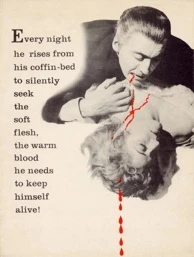
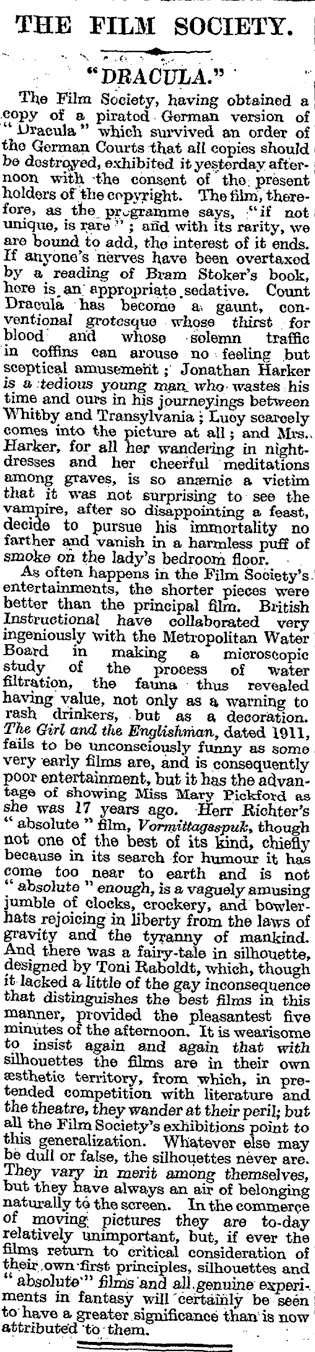
Screenings, publicity and film-society discussion show how readers and cinema audiences have continued to remake Dracula’s reputation.
Sources
Derby: original 1924 production and centenary research – Dracula Returns to Derby, original 1924 production and centenary research.
Bram Stoker, Dracula, original novel – Bram Stoker, Dracula (1897), Project Gutenberg eBook 345; dedication and Chapters 1–3.
Liz Evers, Florence Stoker, Dictionary of Irish Biography – Liz Evers, Florence Stoker, Dictionary of Irish Biography, entry a10151.
British Film Institute: Nosferatu (1922) – British Film Institute, Nosferatu (1922), Gothic classroom resource.
Hamilton Deane’s Dracula, 1925–1939 – Cadbury Research Library, MS38/1918 · Dracula on Broadway, 1927 – Internet Broadway Database · Hollywood Gothic – David J. Skal, revised edition, 2004 · Dracula, Universal, 1931 – AFI Catalog · Nosferatu and the fangs of copyright infringement – The Irish Times, 5 March 2022 · Copyright and Dracula: the 1899 registration records – Library of Congress
Paul Murray: Hamilton Deane, The Green Book 20 (2022)
Lugosi v. Universal Pictures (1979), p.818 and footnote 4 · The U.S. Copyright Act of 1891, section 3
Source references
Count von Count – Sesame Workshop character record · Sesame Workshop’s reach – 2024 impact report · Dracula, the Musical – Internet Broadway Database production record · Dracula – Northern Ballet production record · The Tomb of Dracula – Marvel issue record · Castlevania – Konami series history · Dracula – Morgan Lloyd Malcolm’s stage adaptation, publisher’s record · The Voyage of the Demeter – Robert Forrest, BBC programme record · Dracula, version 2 – LibriVox full-cast recording