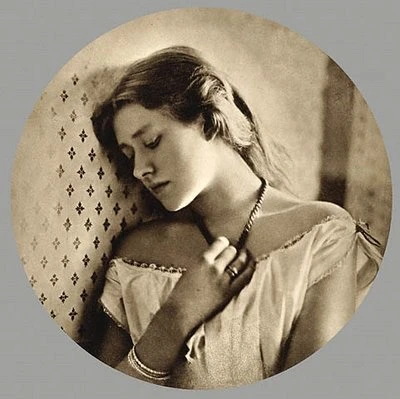
Bram’s world extended from Dublin’s literary circles to the Lyceum’s first nights and American touring cities. Some people below were close friends, others colleagues, interview subjects or occasional guests. Their letters and encounters reveal different sides of his life.
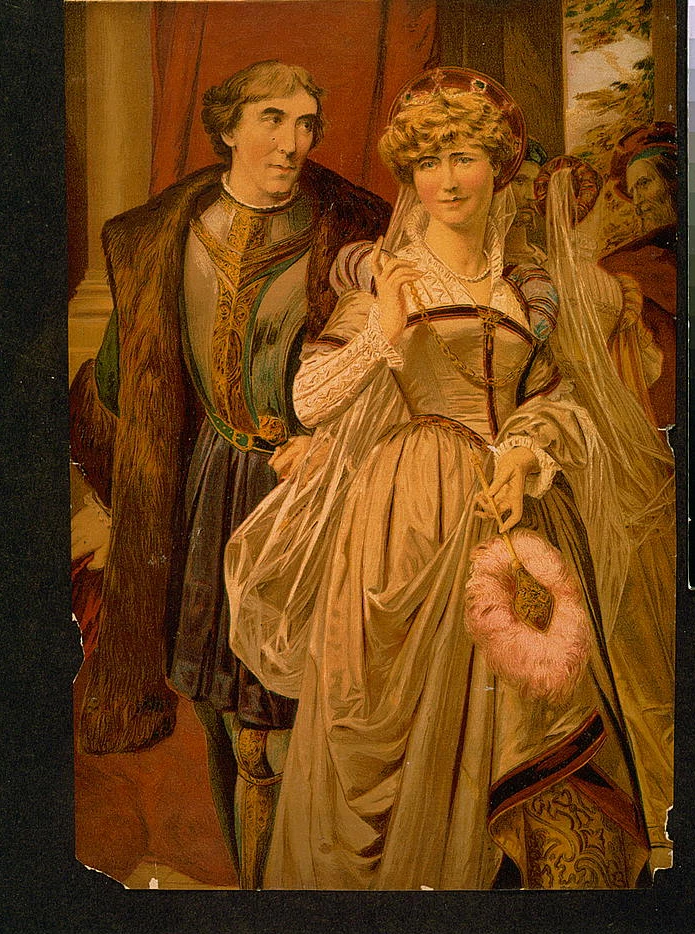
Bram’s working life centred on Irving’s company, in which Ellen Terry was a leading performer. His duties included the practical business of seasons and tours as well as publicity and hospitality.
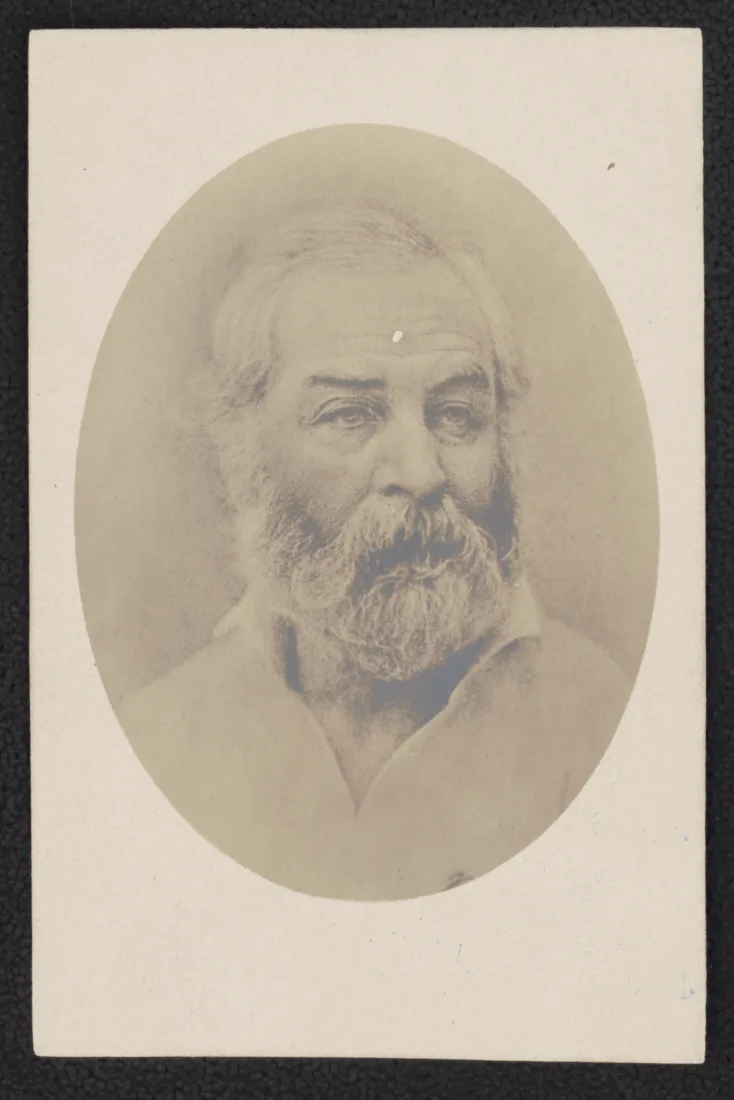
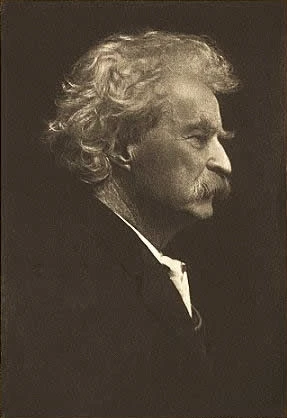
Walt Whitman: from a Dublin letter to an American friendship
Years before Dracula, Bram found in Walt Whitman’s poetry a voice that spoke directly to him. His long letter of 18 February 1872 is an unusually revealing self-portrait: a young Dublin civil servant and athlete, outwardly strong and self-controlled, expressing his longing for understanding and friendship. He hoped one day to meet the American poet and call him “Comrade”. Read Bram’s letter.
For four years, the letter remained in his desk. On 14 February 1876, after defending Whitman in a debate at Dublin’s Fortnightly Club, Bram finally sent it with a covering letter. He explained that Whitman’s writing had brought him consolation and influenced his thoughts and life. The covering letter.
Whitman answered warmly on 6 March. He welcomed Bram’s affection and unconventional directness, offered his friendship, and ended with an invitation: “Write to me again.” Bram’s admiration had become a correspondence. Whitman’s reply.
They first met on 20 March 1884, at Thomas Donaldson’s home in Philadelphia, with Henry Irving present. Bram later visited Whitman in Camden in November 1886 and December 1887. Their conversations ranged across literature, theatre and their shared admiration for Abraham Lincoln. The relationship also allowed disagreement: during the final visit, Bram suggested removing passages from Whitman’s poetry to widen its readership. Whitman refused, and Bram accepted his decision. They parted with gifts of a signed book and an inscribed portrait. Bram’s account of the meetings. (The free text is the revised one-volume edition of 1907.)
There was a final encounter with Whitman’s generosity after his death. In February 1894, Donaldson handed Bram papers relating to Whitman’s Lincoln lecture that had been kept for him. Bram called this his “Message from the Dead” – a memorable ending to a friendship that had begun with a letter he scarcely dared to send. Personal Reminiscences of Henry Irving. (The free text is the revised one-volume edition of 1907.)
“To my dear friend Hommy-Beg” is the dedication of Dracula. The name belongs to the novelist Hall Caine, whose Manx nickname means “Little Tommy”. The affectionate dedication invites us to look beyond the vampire story to a friendship between two working writers. Reading edition.
Bram’s admiration was literary as well as personal. In “The Ethics of Hall Caine”, published in The Homiletic Review in August 1909, he discusses Caine’s novels as books intended to do good. He considers their treatment of suffering, temptation, faith and duty, and describes fiction as a way of putting moral questions before a wide public. This is Bram speaking as a critic about the purposes of storytelling. Original journal page scans.
The essay also shows the attention he gave to Caine’s work. Bram moves between novels, autobiography and writing about the Isle of Man, selecting passages and weighing the values they express. His generosity is unmistakable, but it is expressed through an argument about books rather than simply a declaration of friendship. Original journal page scans.
Their exchanges continued beyond Dracula. Letters, Bram’s introductions and Caine’s recollections preserve different sides of the connection. When Bram died in 1912, Caine remembered him in The Daily Telegraph under the title “The Story of a Great Friendship”. Reading those accounts together gives the dedication a human setting: one writer recognising another across years of work. Scholarly edition description.
The Wilde family: Dublin connections and London neighbours
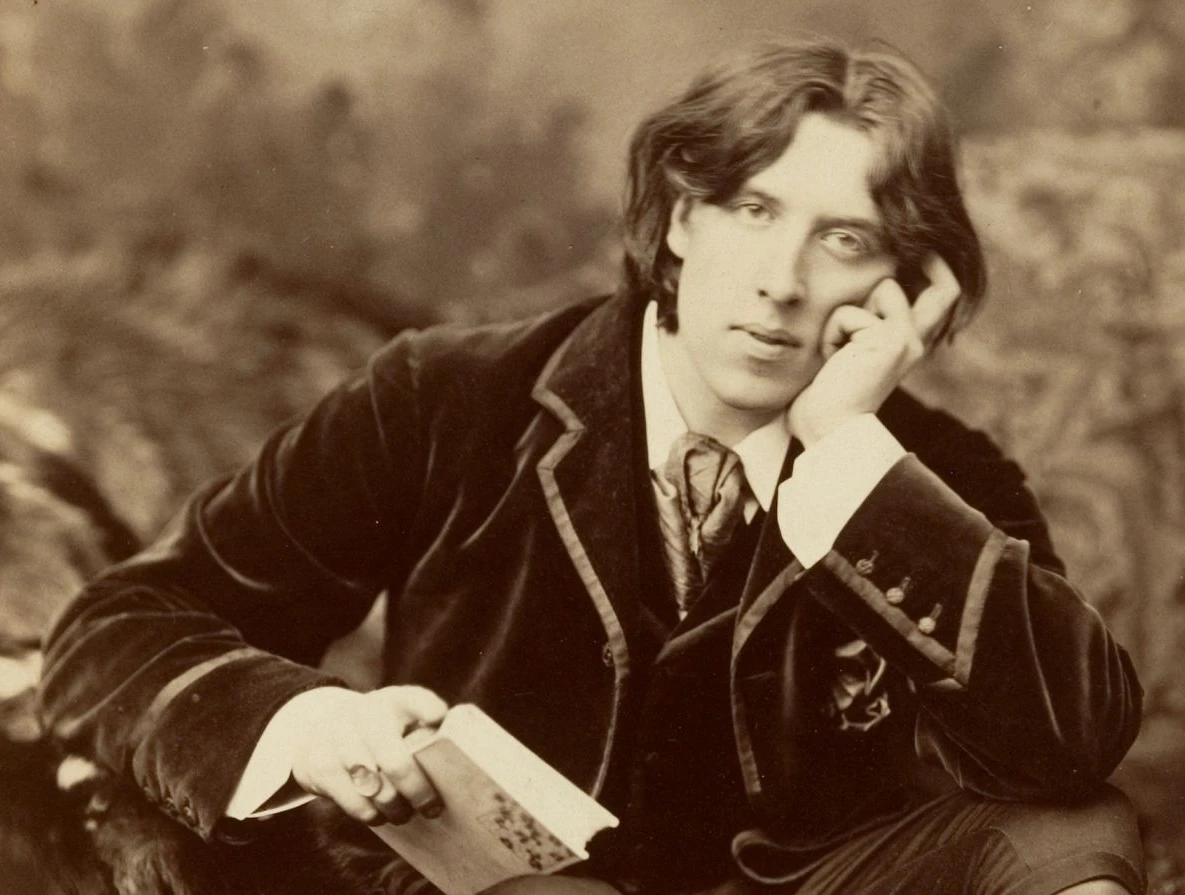
The Wildes and the Stokers belonged to an overlapping world of Irish families, writers and theatre people. Florence’s decision to marry Bram in 1878 hurt Oscar deeply, as the account on our Florence page explains. But the surviving correspondence shows that contact continued long after that disappointment. It is more revealing to follow those letters than to leave the relationship as the story of two rival suitors.
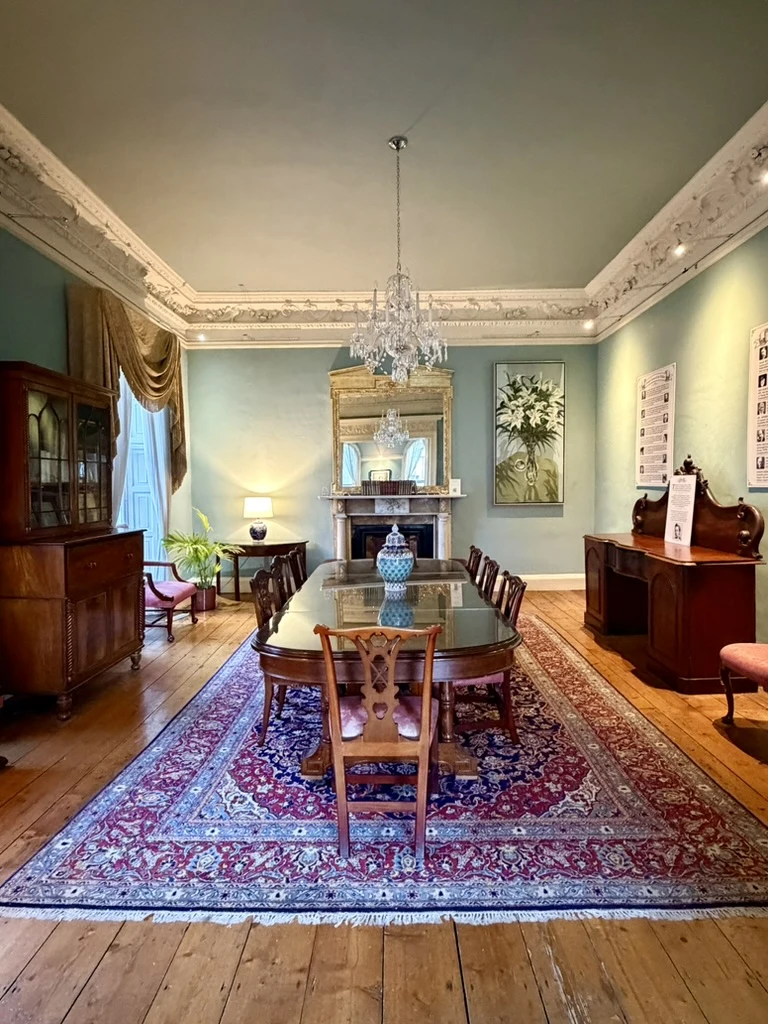
Interior of Oscar Wilde House, 1 Merrion Square, Dublin, photographed in the present day. The Wilde family moved here in 1855, when Oscar was eight months old, and lived here until 1879.Courtesy of the Bram Stoker Estate.
An undated note, placed around 1879–1880 from its Salisbury Street address, asks Bram for a seat at the Lyceum. A later letter, catalogued as 19 May 1887, asks for two stalls after an invitation from Irving. These are practical requests to the man who could help arrange a theatre visit. Another letter, preserved by the Shakespeare Birthplace Trust, concerns supper while Constance was away in Brighton. That invitation takes us beyond the theatre office into social life.
Oscar and Constance moved into 16 Tite Street, now numbered 34, in January 1885. The address appears on the supper letter to Bram. It was about at this time that Bram and Florence were living nearby at 17 St Leonard’s Terrace: their son Noel recalled that they moved there around 1884 and Wilde’s surviving acceptance of a supper invitation directly documents their social connection.
Florence also remained a reader to whom Oscar sent his work. In February 1893 he offered her a copy of the French Salomé, explaining his experiment in writing in another language and sending kind regards to Bram. The letter is a small but direct indication that Florence’s marriage had not ended their literary connection.
The evidence becomes more difficult after Oscar’s arrest on 5 April 1895 and his conviction on 25 May under section 11 of the Criminal Law Amendment Act 1885, which criminalised “gross indecency” between men. He was sentenced to two years’ hard labour. Willie Wilde appealed to Bram for sympathy during Oscar’s downfall. A published extract of his letter combines affection for his brother with criticism of his conduct. Its precise date and the whereabouts of the original manuscript have not yet been established for this account; nor have we identified Bram’s reply.
No contemporary record located for this website establishes that Bram visited Oscar in prison, sent him money or helped him after his release. Family members recall Ann Stoker saying that Oscar’s name was never mentioned at Florence’s social gatherings in her later years: he remained a taboo subject. Paul Murray also records Ann’s recollection in From the Shadow of Dracula, p. 123. Some online summaries have stated that Bram visited Oscar on the Continent after his release. The newspaper article usually cited for this (The Irish Times, 28 March 2009) does not say so. No contemporary evidence for such a visit has been located for this website.
The chronology gives the connection with Dracula particular force. Bram was developing the novel in 1890, five years before the trials, and continued working on it during the years of Oscar’s imprisonment. Oscar was released on 19 May 1897; Dracula appeared that May, conventionally dated 26 May. The book therefore belongs to the same troubled decade: although it was not begun in response to Oscar’s downfall, the trials and imprisonment may have influenced its final form.
After his release Oscar left England for France. He died in Paris on 30 November 1900, at the Hôtel d’Alsace.
Oscar is absent from Bram’s published memoir, Personal Reminiscences of Henry Irving (first published in 1906; revised in 1907), despite its many famous acquaintances. In September 1908 Bram published “The Censorship of Fiction” in The Nineteenth Century and After, arguing that “the only emotions which in the long run harm are those arising from sex impulses”. Critics such as Talia Schaffer, in “‘A Wilde Desire Took Me’” (1994), have read the silence and Bram’s public moralism in relation to Oscar’s downfall. Another possible reading is discretion, or the conventional public moralism of a theatre manager accustomed to the official censor of plays. Neither interpretation establishes what Bram privately felt.
Later scholars have explored the novel alongside the trials and the period’s debates about sexuality, secrecy and corruption. Heike Bauer’s account sets competing interpretations beside a wider history of sexual science. Such readings can illuminate the novel without becoming evidence of Bram’s private intentions. The letters document a relationship; they do not supply a simple key to the vampire.
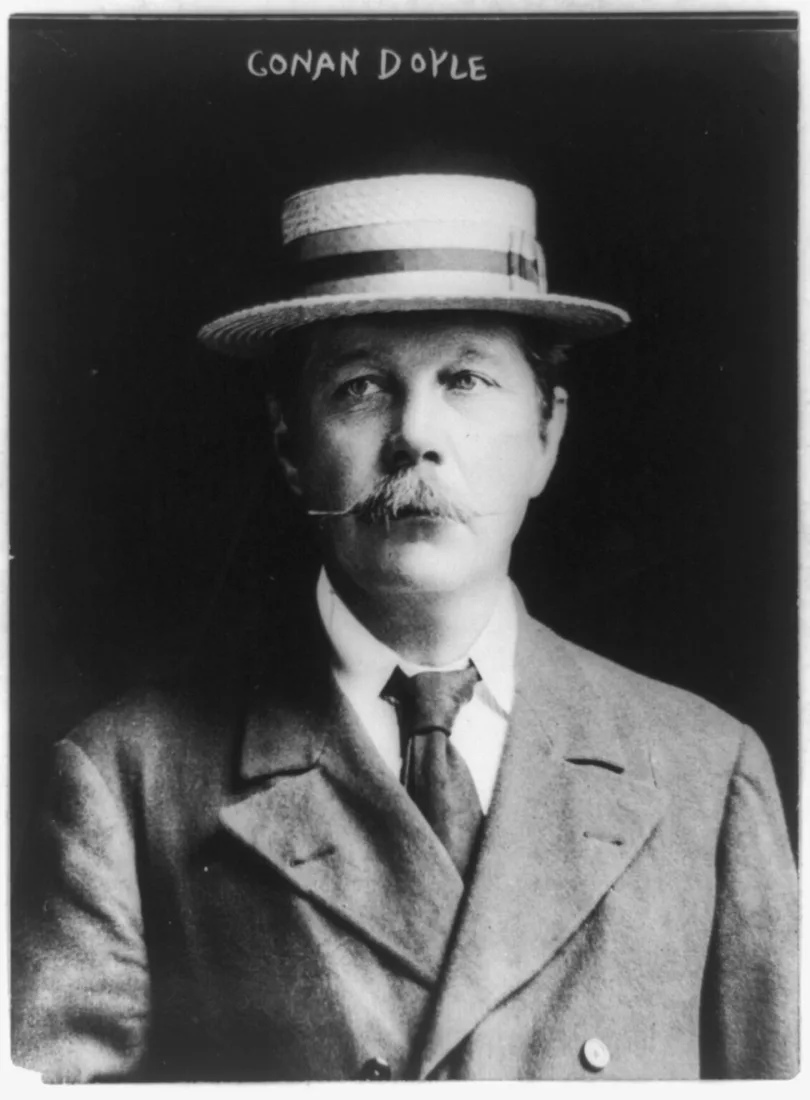
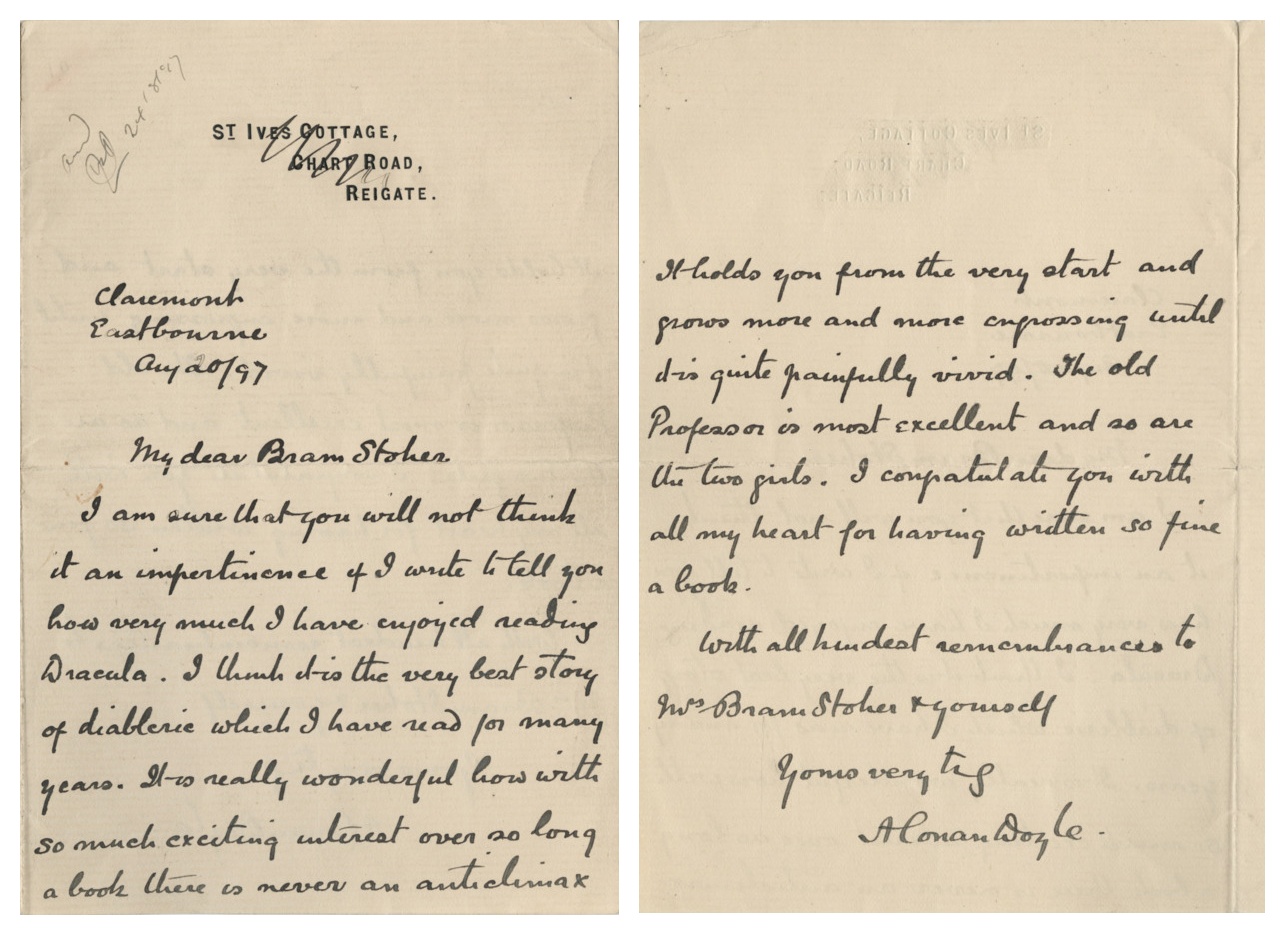
Conan Doyle responded warmly to Dracula, and Bram later interviewed him. The two documents offer different perspectives: a reader reacting to a new story, and an interviewer asking a fellow author about his work.
A two-page letter praising Dracula, headed Claremont, Eastbourne.
My dear Bram Stoker
I am sure that you will not think it an impertinence if I write to tell you how very much I have enjoyed reading Dracula. I think it is the very best story of diablerie which I have read for many years. It is really wonderful how with so much exciting interest over so long a book there is never an anticlimax. It holds you from the very start and grows more and more engrossing until it is quite painfully vivid. The old Professor is most excellent and so are the two girls. I congratulate you with all my heart for having written so fine a book.
With all kindest remembrances to Mrs Bram Stoker and yourself
Read Bram’s interview with Conan Doyle, with the reading text and downloadable newspaper scans: The World (1907) and The Daily Chronicle (1908).
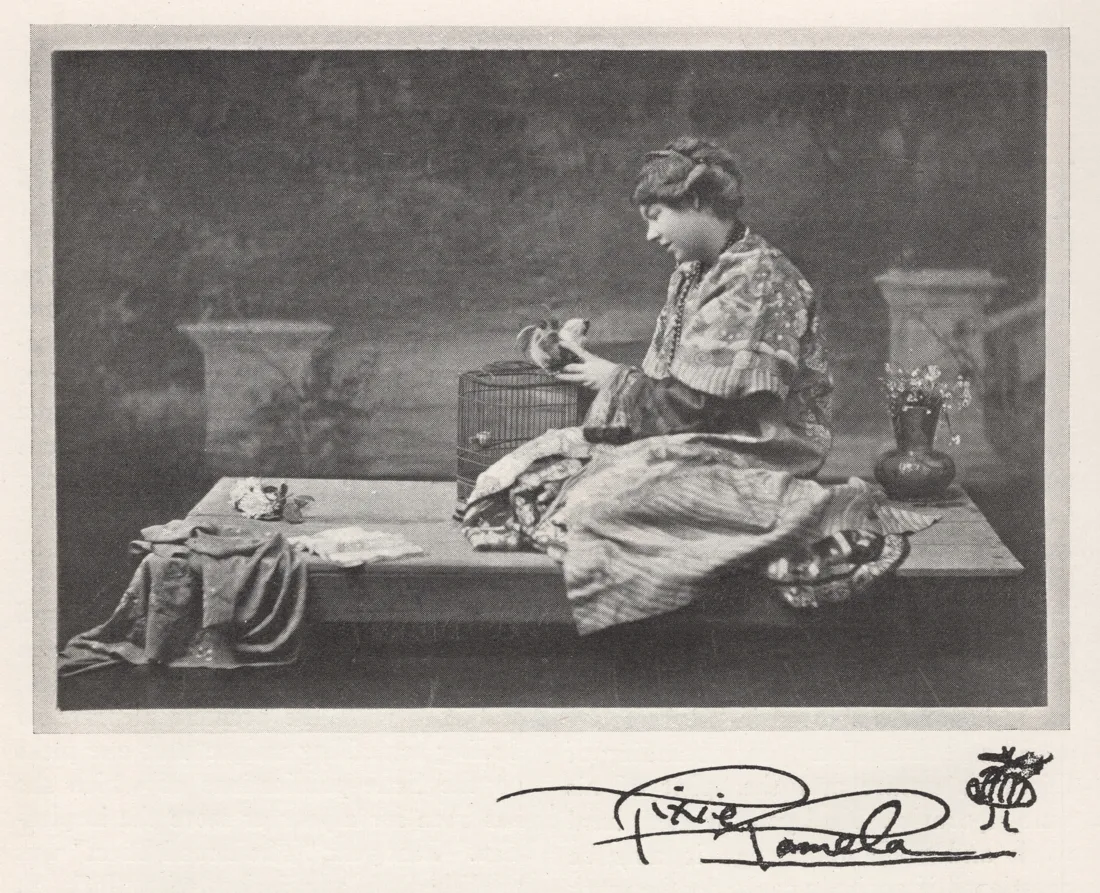
Pamela Colman Smith
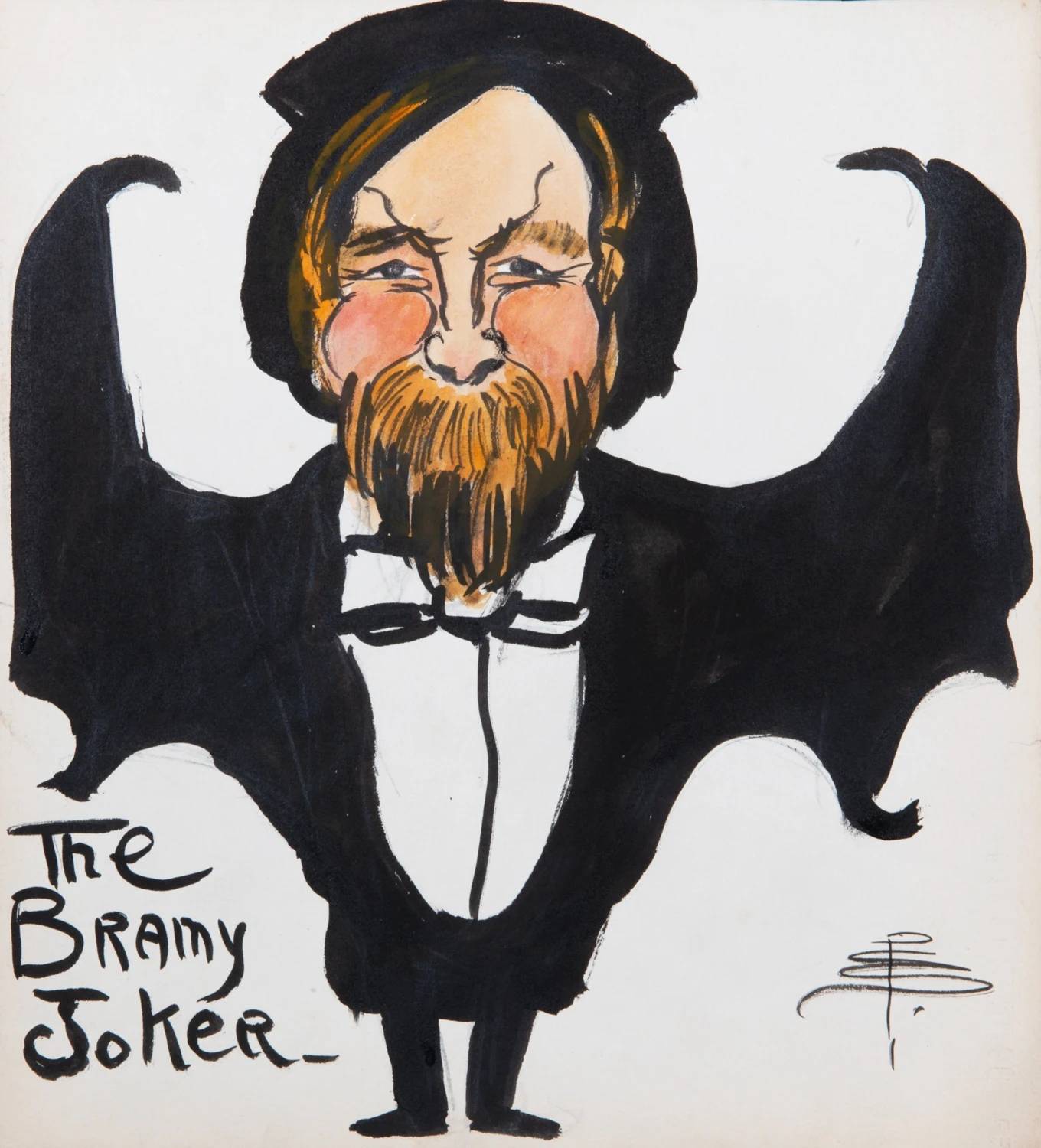
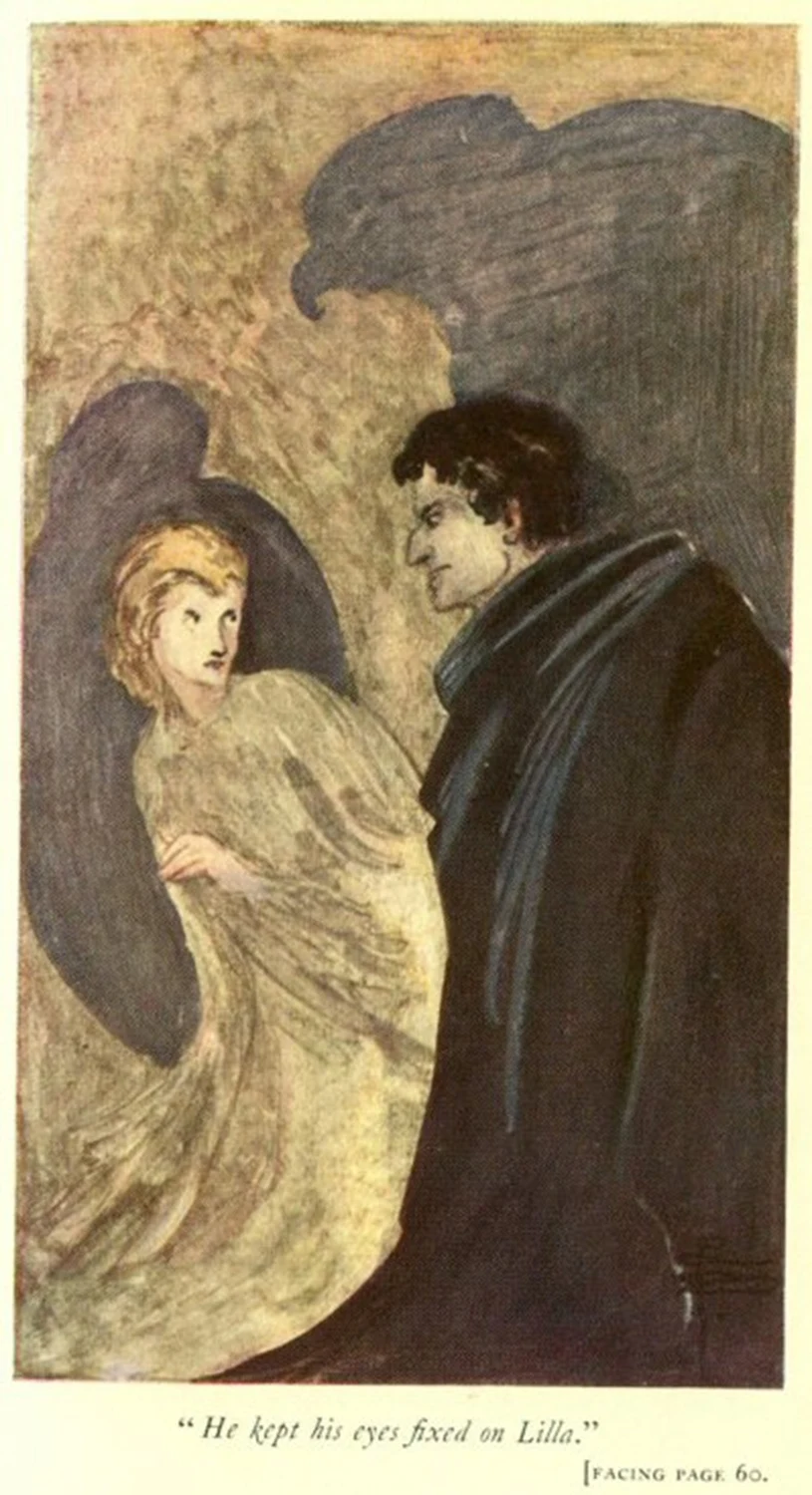
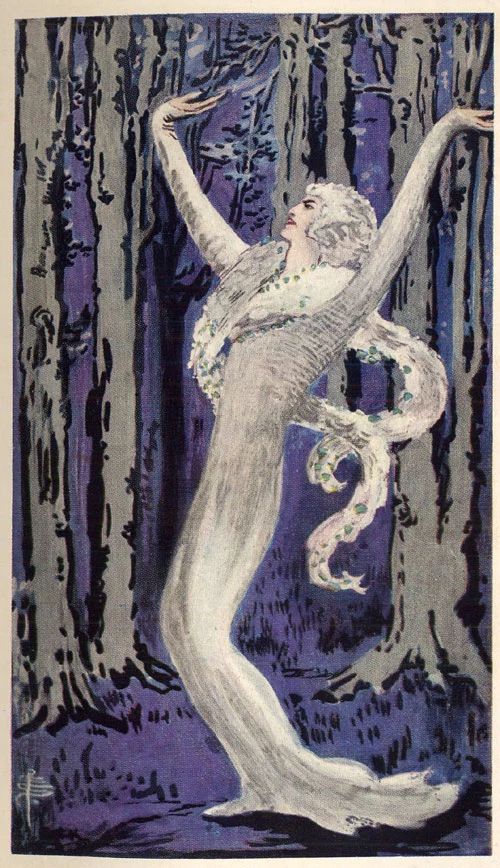
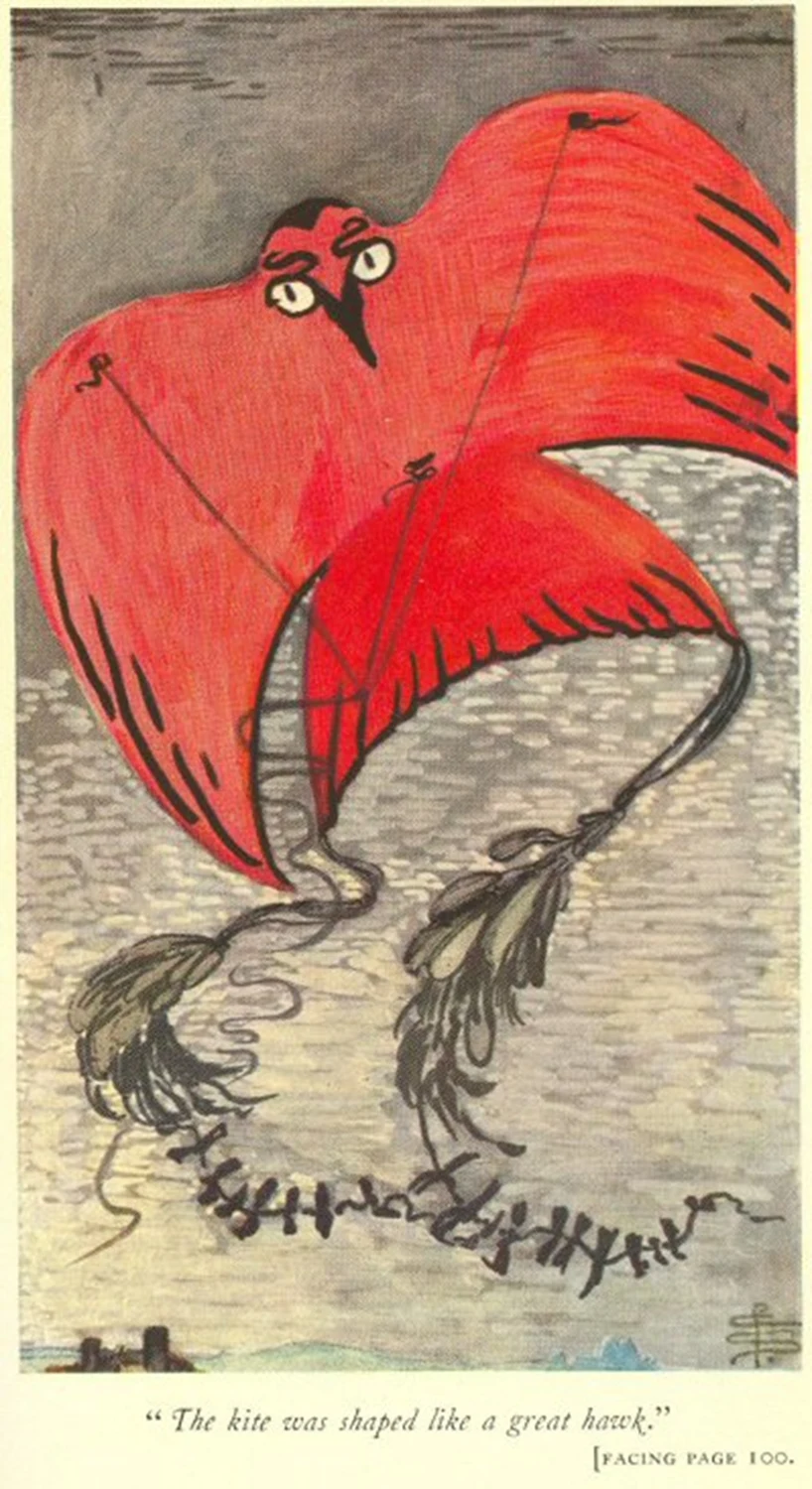
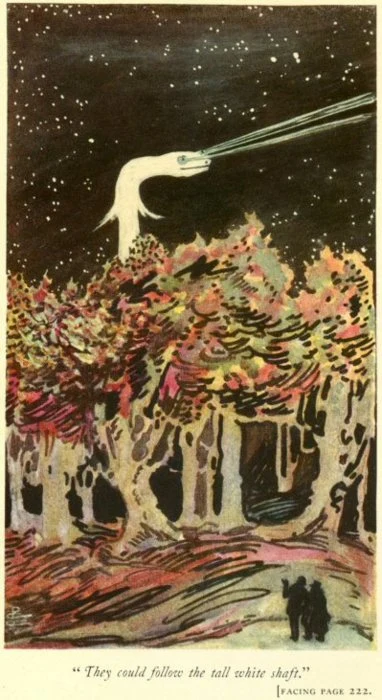
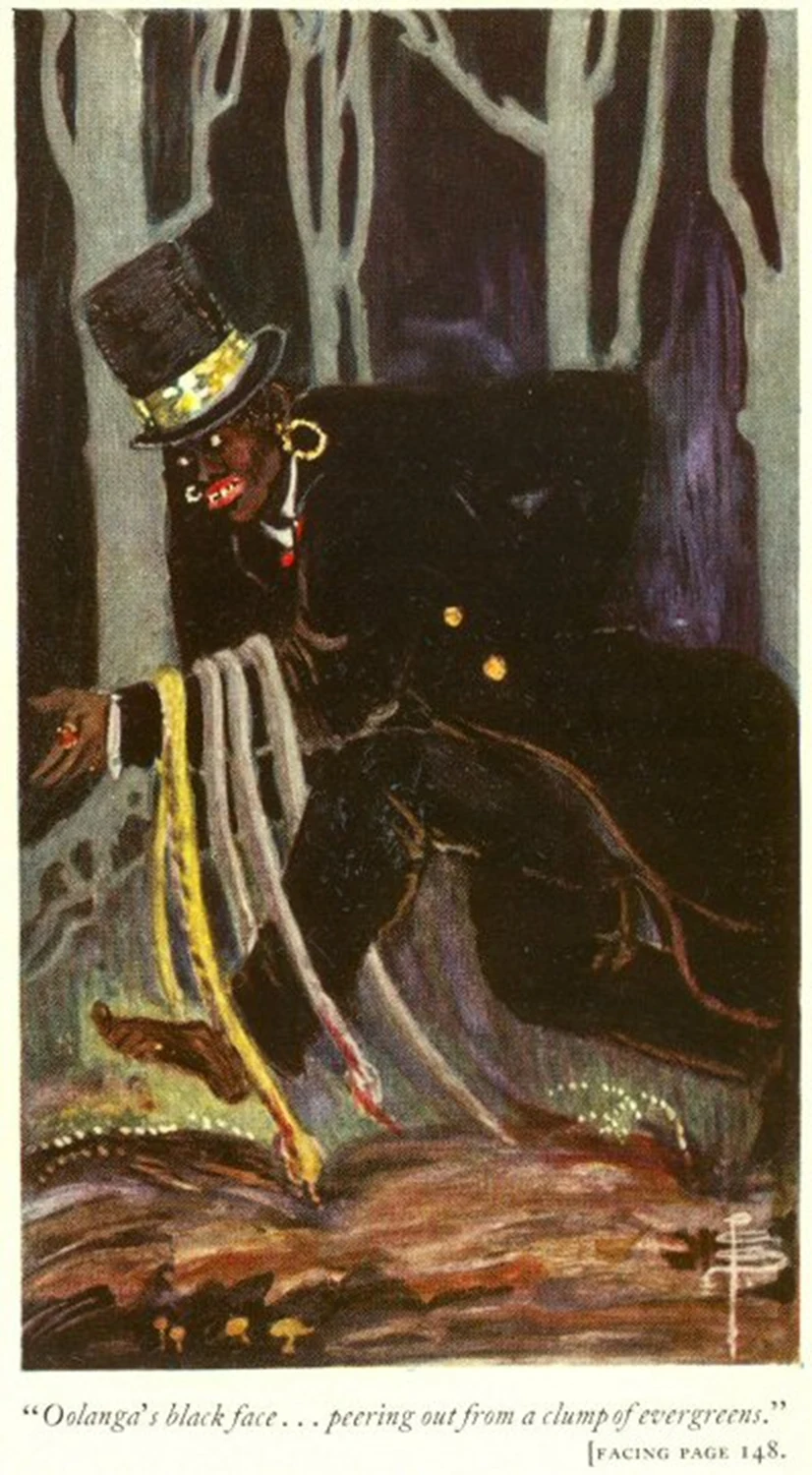
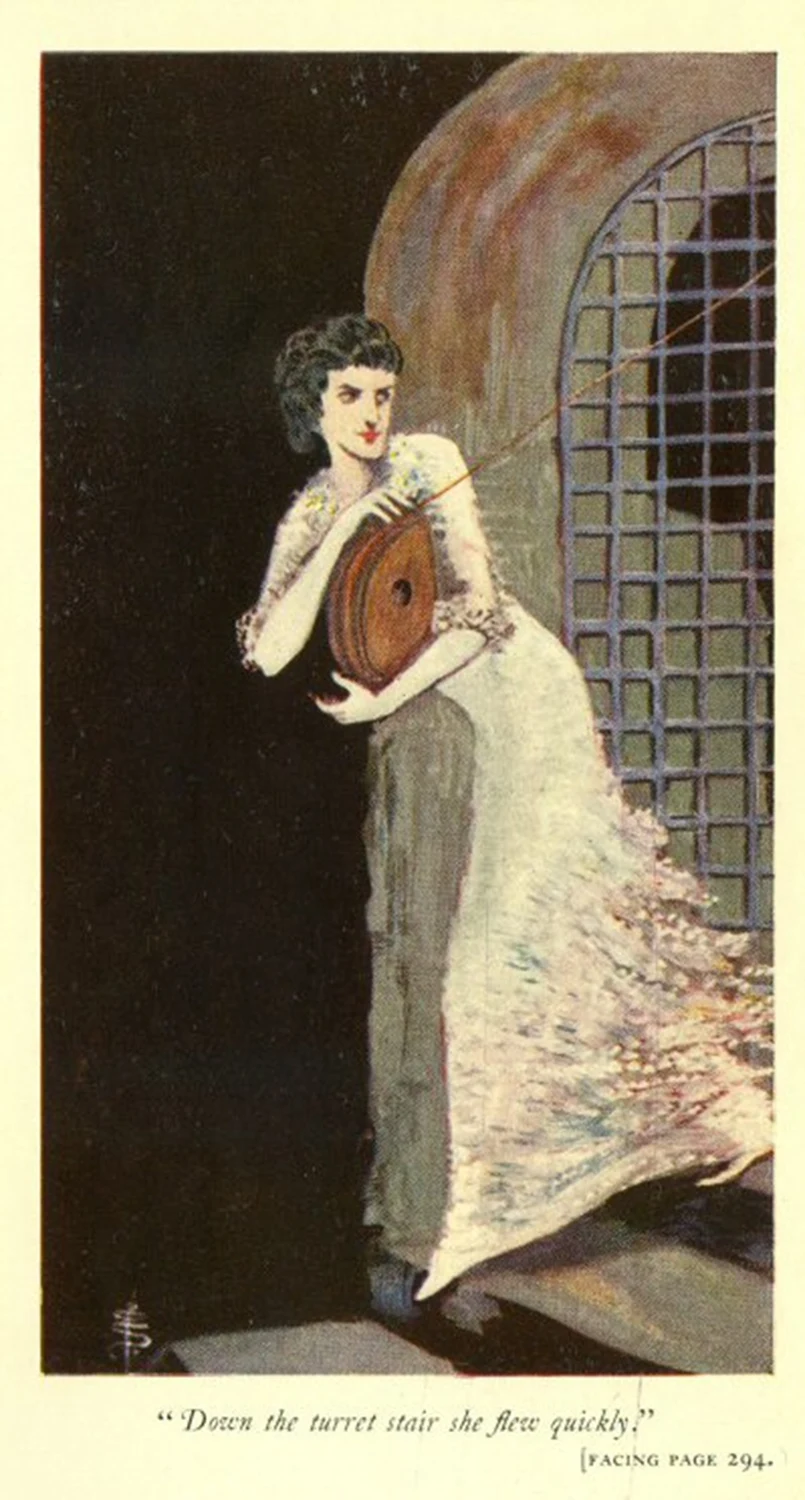
Pamela Colman Smith was a British artist, illustrator, writer, publisher and occultist with connections to the Lyceum Theatre. She is best known for illustrating the Rider–Waite Tarot, often called the Rider–Waite–Smith deck. First published in 1909, it remains one of the most widely used tarot decks. She drew Bram as a bat in The Bramy Joker and created six illustrations for the 1911 first edition of The Lair of the White Worm. Smith travelled with the Lyceum company on its American tour from October 1899 to May 1900. Her drawings from the tour survive in the National Trust collection. The Stoker family recalls that Smith called him “Uncle Bram” and sometimes took walk-on parts during the tour. According to the same recollection, Bram hired her to design and illustrate the tour’s 18-page souvenir programmes, brochures and publicity artwork.
Pamela Colman Smith, illustration for The Lair of the White Worm. Two figures face each other in a wooded landscape.Pamela Colman Smith. Reproduction supplied by the Estate.
Pamela Colman Smith, illustration for The Lair of the White Worm. A pale figure arches upwards against a dark background.Pamela Colman Smith. Reproduction supplied by the Estate.
Pamela Colman Smith, illustration for The Lair of the White Worm. A red kite flies above the landscape.Pamela Colman Smith. Reproduction supplied by the Estate.
Pamela Colman Smith, illustration for The Lair of the White Worm. A pale figure rises above flowering trees.Pamela Colman Smith. Reproduction supplied by the Estate.
Pamela Colman Smith, illustration for The Lair of the White Worm. Two figures stand among the trees.Pamela Colman Smith. Reproduction supplied by the Estate.
Pamela Colman Smith, illustration for The Lair of the White Worm. A woman in a pale dress stands beside a dark doorway.Pamela Colman Smith. Reproduction supplied by the Estate.
Dublin friends
Dr George Ferdinand Shaw
1821–1899
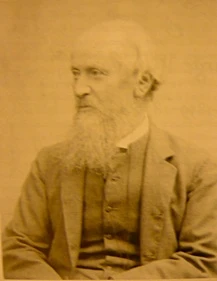
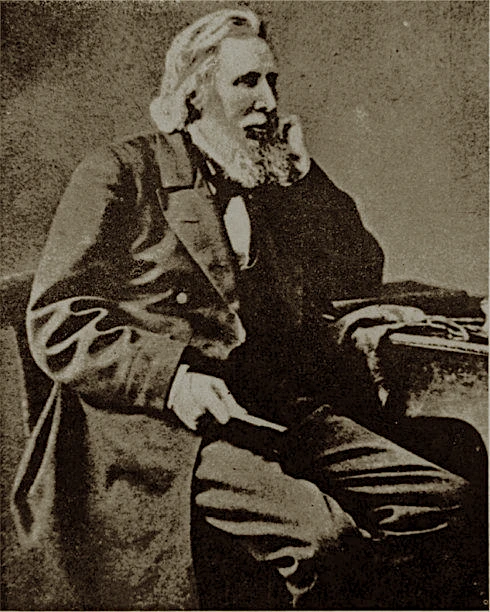
Bram’s tutor at Trinity, a Fellow of the college, first editor of the Irish Times and a founder of the Home Rule League.
Dr George Ferdinand Shaw (1821–1899)Supplied from the Bram Stoker Estate records. Original image source not yet confirmed.
Edward Dowden
1843–1913
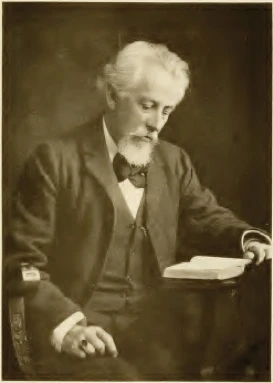
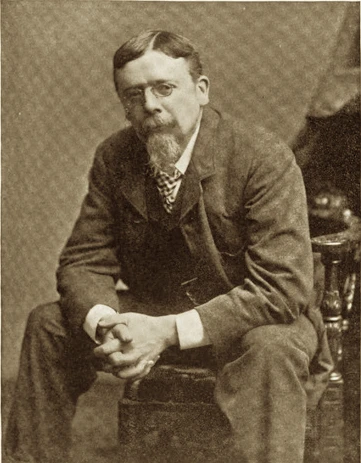
Professor of English Literature at Trinity and Bram’s mentor. A champion of Walt Whitman, he encouraged Bram’s admiration for the poet.
Edward Dowden (1843–1913)Plate facing p. 352, Letters of Edward Dowden and his Correspondents (Dent, 1914)
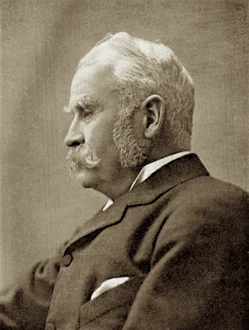
Ireland’s leading eye and ear surgeon, antiquarian and folklore collector; father of Oscar. Bram was a guest at the Wildes’ house in Merrion Square.
Sir William Wilde (1815–1876)Supplied from the Bram Stoker Estate records. Original image source not yet confirmed.
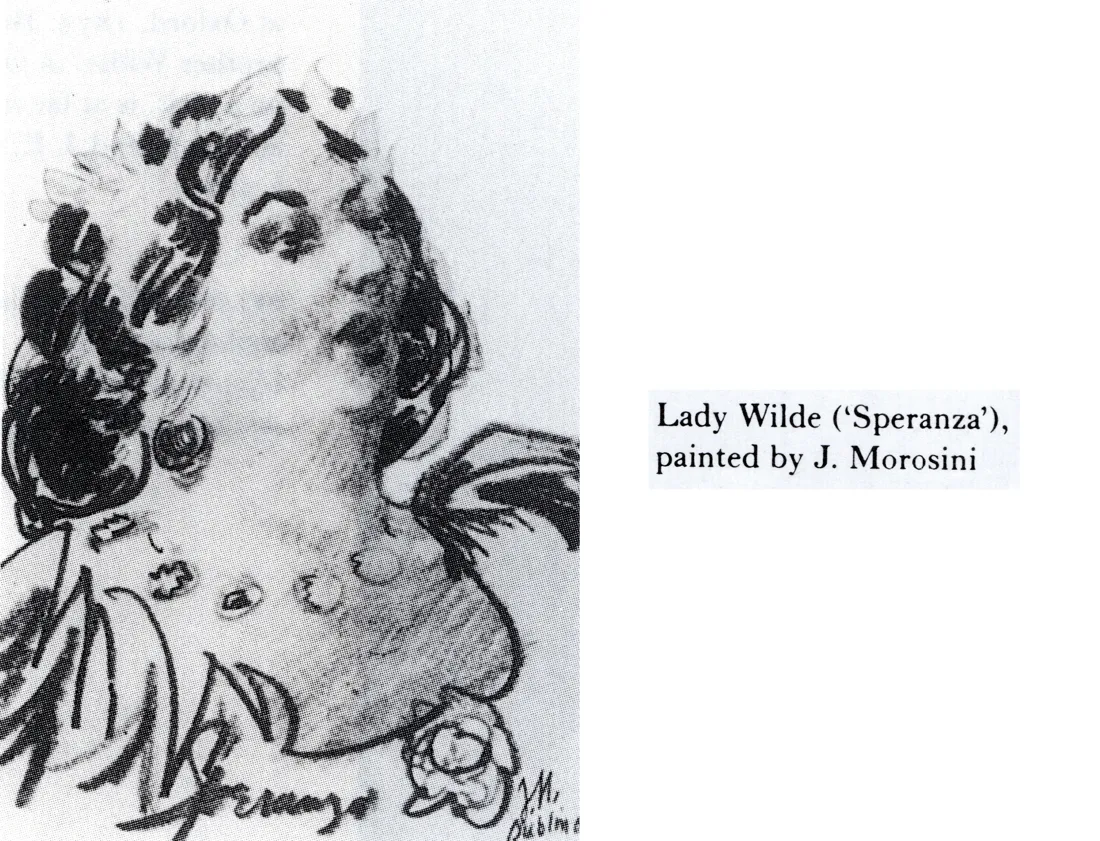
Lady Jane Wilde, “Speranza”
1821–1896
Poet, nationalist and writer who collected Irish folklore. Bram attended her Saturday salons. The mother of Oscar Wilde, she published Ancient Legends, Mystic Charms, and Superstitions of Ireland in 1887. According to Stoker family recollection, Bram read Lady Wilde’s book and it influenced his writing.
Gothic novelist and co-owner of the Dublin Evening Mail, for which Bram wrote theatre reviews. His vampire story Carmilla (1872) is often seen as an important influence on Dracula.
Walter Osborne
1859–1903
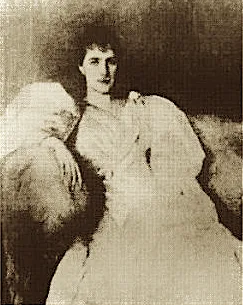
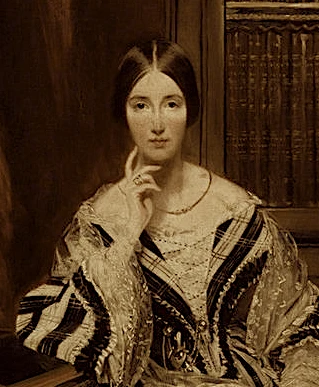
Impressionist painter and a close friend of Bram and his brother Thornley. He painted members of the Stoker family, including a portrait of Florence (1895). The Stoker family recalls that Osborne also painted Charlotte, Abraham, Sir William Thornley Stoker and Lady Emily Stoker. In the family’s account, Osborne painted Abraham after his death from a photograph, and Florence’s portrait was shown at the Royal Academy Summer Exhibition in 1895.
Florence Stoker, portrait by Walter Osborne, exhibited at the Royal Academy, 1895.Courtesy of the Bram Stoker Estate.
Frank Frankfort Moore
1855–1931
Popular novelist and satirist, married to Florence’s sister Alice Balcombe.
Bram composed a personal letter in 1872, sent it in 1876 and later met Whitman in America. The correspondence is available through the Whitman Archive.
Dublin contemporary and fellow member of the Trinity Philosophical Society, which Bram proposed him for. Wilde had courted Florence Balcombe before she married Bram.
Creator of Sherlock Holmes. Bram visited him at Undershaw and interviewed him in 1907; the interview appeared in The World that year and the Daily Chronicle in 1908. Conan Doyle wrote to Bram praising Dracula.
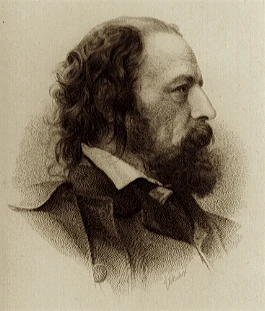
Alfred, Lord Tennyson
1809–1892
Poet Laureate, whom Bram met in 1876. Irving staged his Becket and The Cup. Bram and Florence visited him at Farringford on the Isle of Wight.
Alfred, Lord TennysonSupplied from the Bram Stoker Estate records. Original image source not yet confirmed.
American baritone. Bram managed his production of The Vicar of Wakefield (1906); a letter from Bram to Bispham is reproduced with Montblanc’s 2026 Writers Edition.
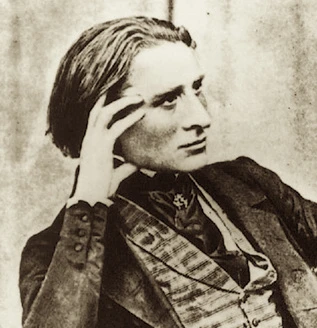
Franz Liszt
1811–1886
Bram recorded the composer’s visit to the Lyceum in 1886.
Franz LisztSupplied from the Bram Stoker Estate records. Original image source not yet confirmed.
Explorers and travellers
Sir Richard Burton
1821–1890
Explorer and translator of The Arabian Nights. Bram met him in 1878 and described him vividly in his Reminiscences.
Ármin Vámbéry
1832–1913
Traveller and scholar who met the Lyceum circle. A connection with Van Helsing’s “friend Arminius” is often proposed; its extent is debated.
Sir Henry Morton Stanley
1841–1904
The explorer who found Livingstone; a Lyceum guest whom Bram described in his Reminiscences.
Public life
William Gladstone
1809–1898
The Prime Minister went backstage at the Lyceum and questioned Bram on the theatre’s finances.
Sir Winston Churchill
1874–1965
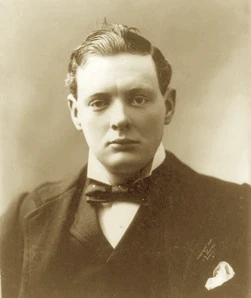
Bram knew Lord and Lady Randolph Churchill. Winston disliked interviews but made an exception for Bram because of that family friendship and because Bram was the author of Dracula. Read Bram’s 1907 interview and Churchill’s explanation →
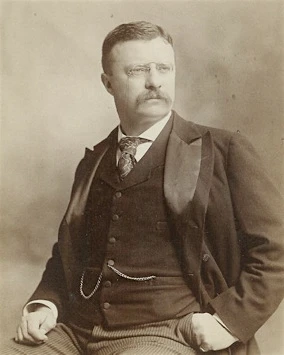
Theodore Roosevelt
1858–1919
Met in New York in 1895, when Roosevelt was police commissioner. Bram predicted he would be President one day.
Theodore RooseveltSupplied from the Bram Stoker Estate records. Original image source not yet confirmed.
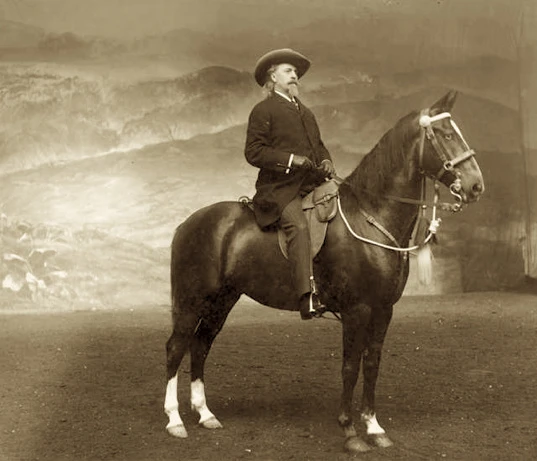
William F. “Buffalo Bill” Cody
1846–1917
Showman whom Bram and Irving entertained in London. Often suggested as a model for the Texan Quincey Morris in Dracula.
Buffalo Bill CodySupplied from the Bram Stoker Estate records. Original image source not yet confirmed.
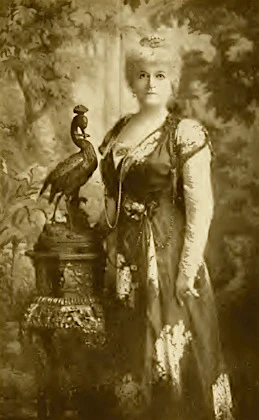
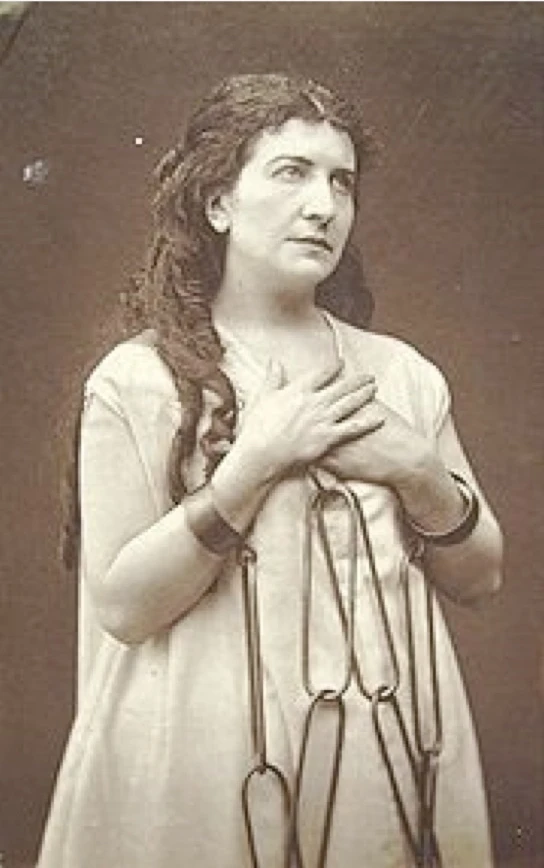
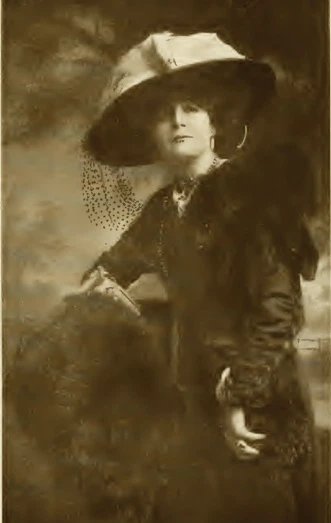
American soprano, actress and lifelong friend of Bram. Some biographers have suggested an early romantic attachment. Ward attended his funeral at Golders Green in April 1912.