Follow Bram’s life from Dublin to London and the Scottish coast, and across North America with the Lyceum company. This map covers real places connected with his homes, family, work, research and travels. For the novel’s settings, use the separate Places in Dracula map.
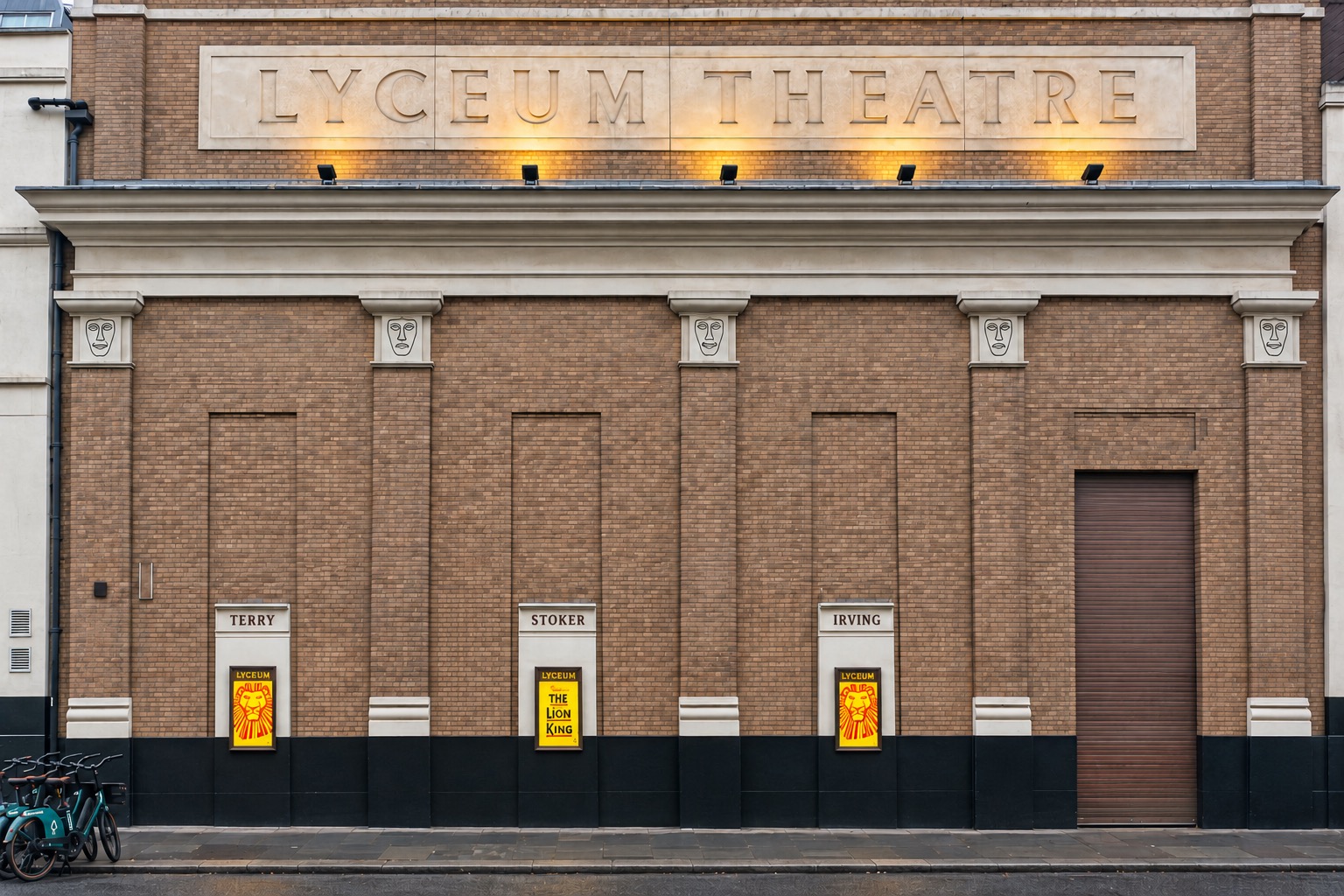
Henry Irving, Ellen Terry and Bram Stoker are still remembered at today’s Lyceum Theatre. Three white panels on its Burleigh Street side commemorate the actor-manager, leading actress and business manager whose partnership shaped the Lyceum’s Victorian years.Courtesy of the Bram Stoker Estate
Loading the map. All places are also listed below.
Pins give approximate locations connected with Bram’s life, family, work and research. Each entry explains the connection; a family connection does not by itself establish that Bram visited.
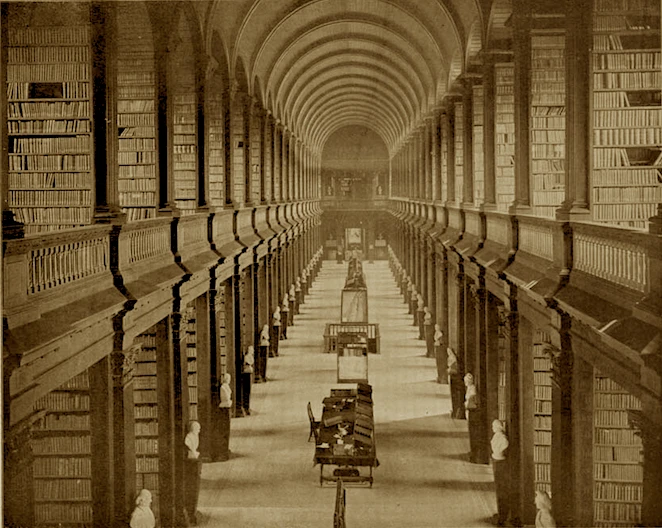
Student, athlete and debater, 1864–1870; BA 1870, MA 1875.
Visiting: The Old Library visitor experience and access to manuscripts are separate services. Check the Book of Kells Experience for visitor tickets and accessibility; researchers should contact the Library. Official visitor information
Bram consulted books here in 1866 and 1867. Surviving visitors’ and readers’ registers document his visits. The library was established in 1701 and opened to the public in 1707.
Visiting: The historic upper galleries are not wheelchair accessible. Ground-floor facilities and garden access are described by the library. Check current access, hours and research arrangements before travel. Official visitor information
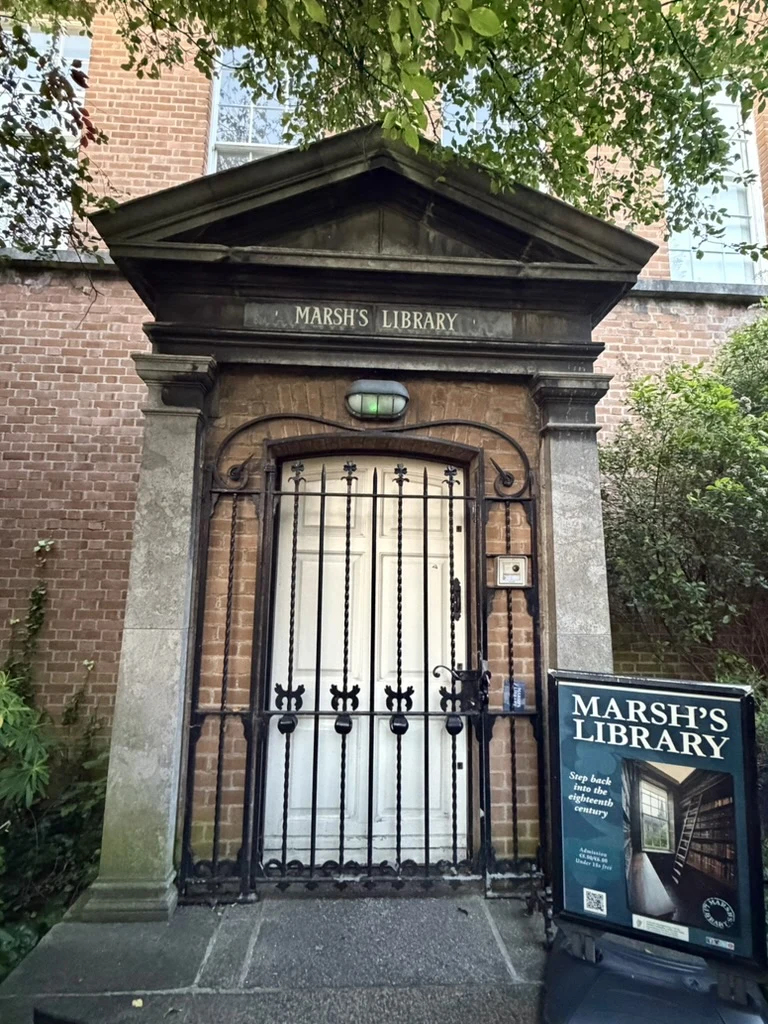
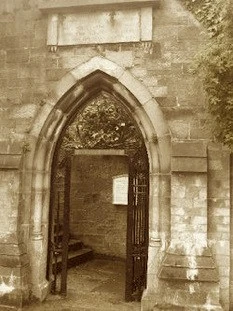
Entrance to Marsh’s Library, Dublin. Courtesy of the Bram Stoker Estate.
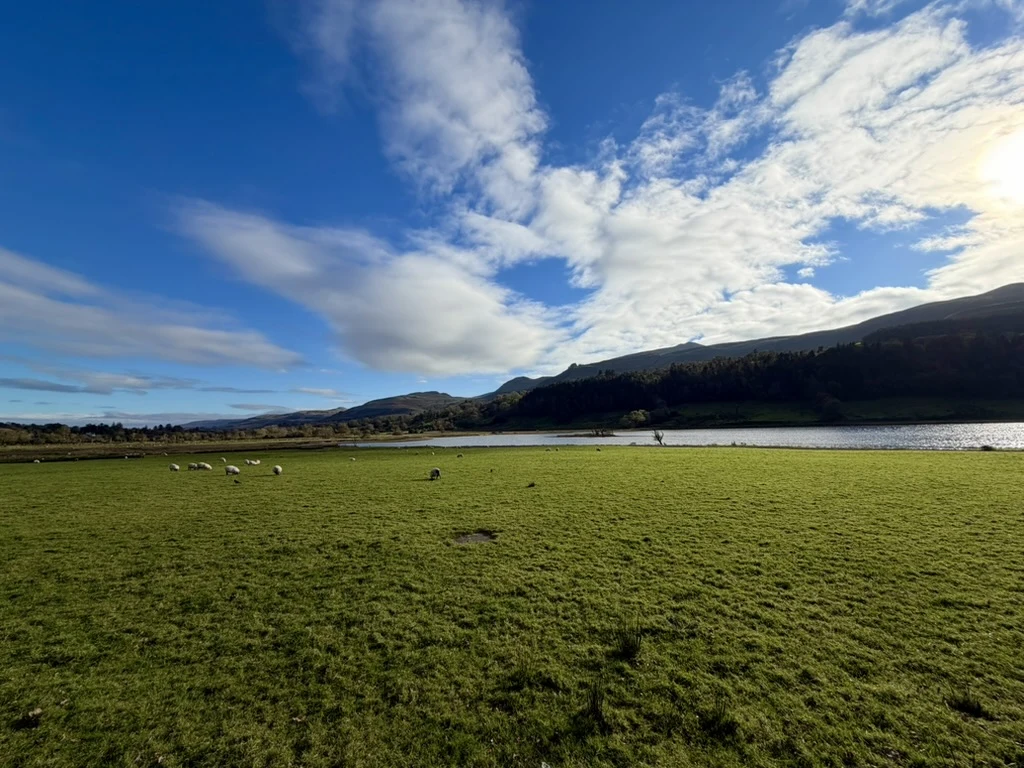
Sligo was Charlotte Stoker’s home town. Her account of its 1832 cholera epidemic forms part of Bram’s family history; this entry does not assert that Bram visited.
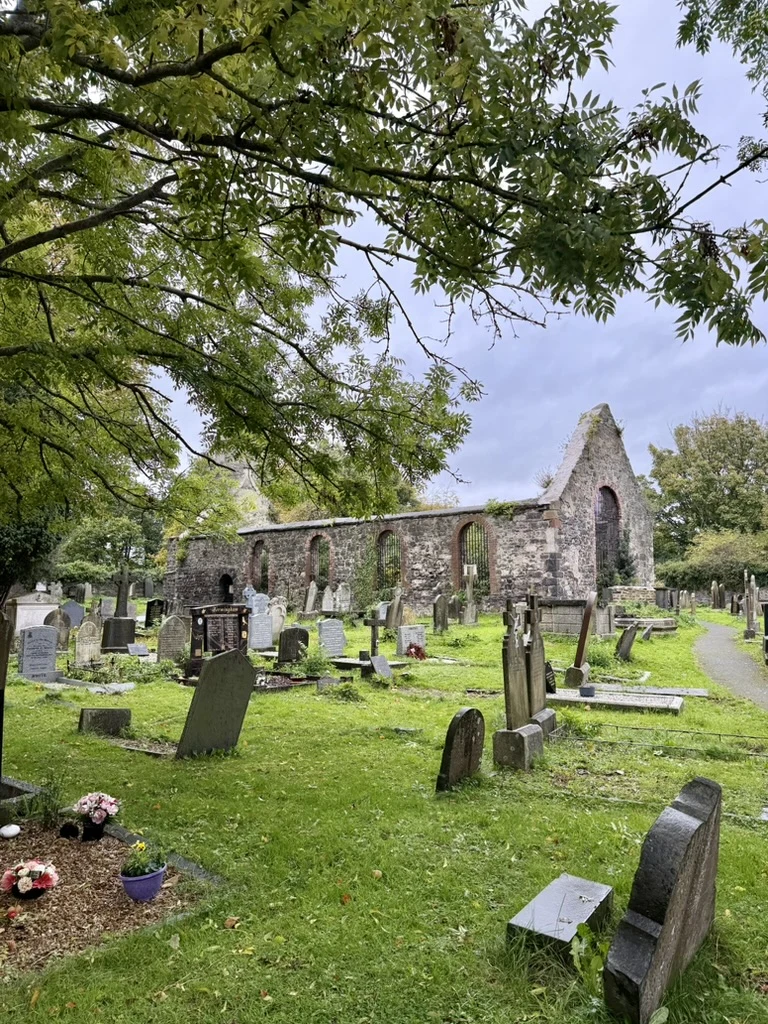
Landscape near Sligo. Courtesy of the Bram Stoker Estate.
A London family home by 1882. Noel’s recollection names No. 26; another supplied account gives No. 27. Accounts differ between Nos. 26 and 27. The family first lived at 7 Southampton Street, Bloomsbury, after moving to London in 1878. The map now marks the north-bank terrace near Nos. 26–27, not the south side of the Thames.
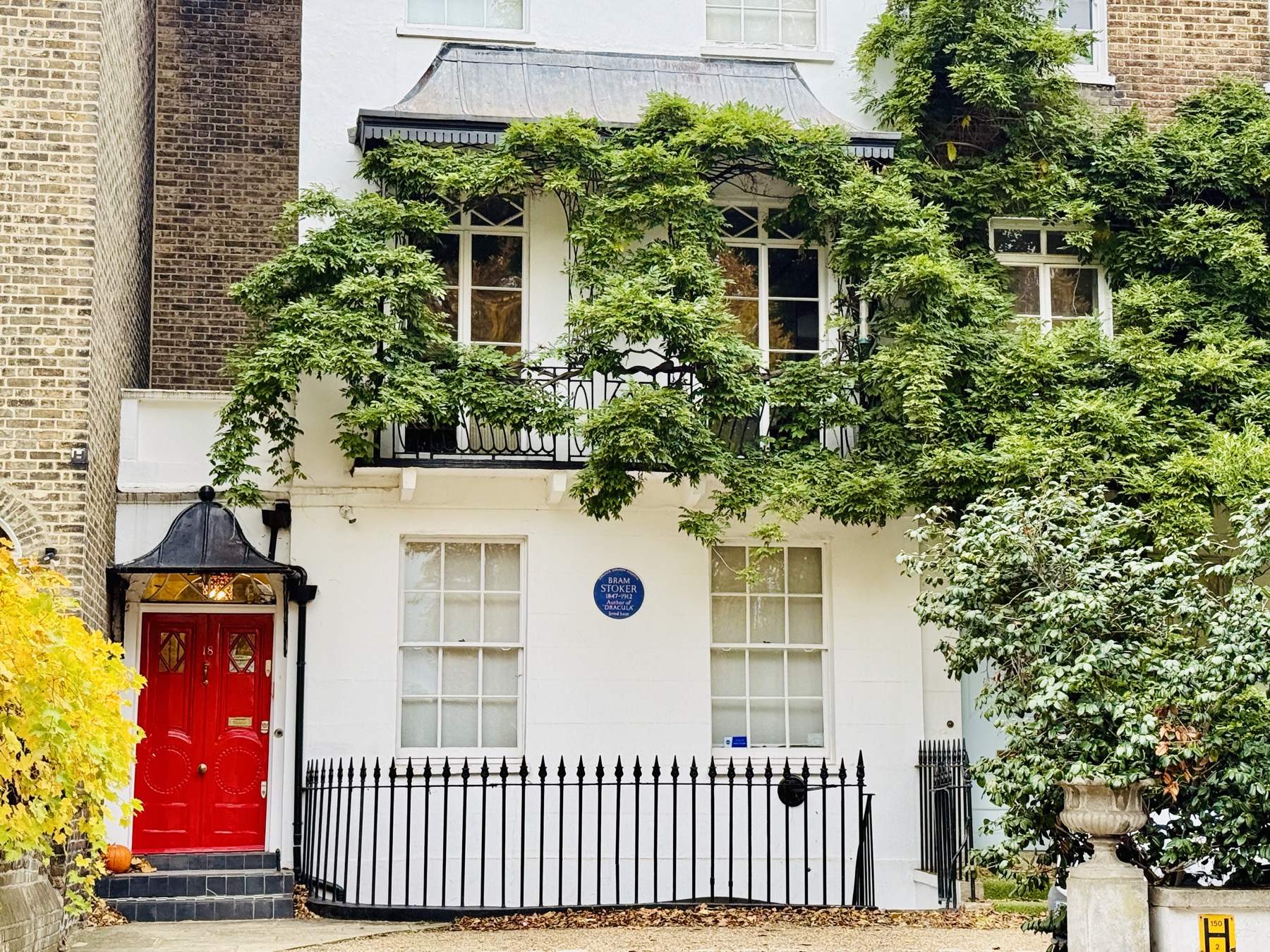
Family homes until 1906, when the Stokers moved to 4 Durham Place, Chelsea; they moved to Pimlico in 1911. Much of Dracula was written here; the blue plaque is at No. 18. Noel recalled the move to No. 17 as about 1884, while another supplied chronology dates the move earlier.
Visiting: Private buildings. View only from public space unless an owner or operator expressly offers admission.
Noel Thornley Stoker’s recollections name this as the family’s first London home after the move in 1878. The historical street name and modern building identification remain unresolved. The pin marks an approximate Bloomsbury location, not a confirmed present-day No. 7.
Bram joined the London Library in 1890. It has identified volumes likely used for his research through marks corresponding to his working notes. This is a separate institution from the British Museum Reading Room.
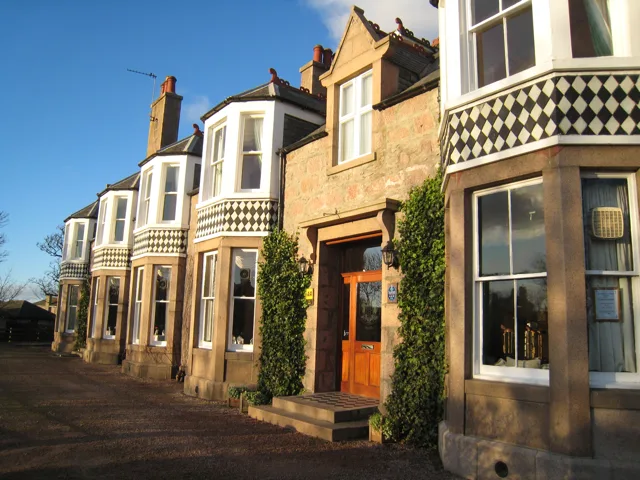
The hotel preserves Bram’s guest-book signature dated 1894. It documents a hotel stay, rather than establishing his first visit to the wider Cruden Bay area.
The Subscription Library was on the floor below Whitby Museum on Pier Road in 1890. The Museum’s record establishes their relationship; this approximate pin does not claim a surveyed historic entrance.
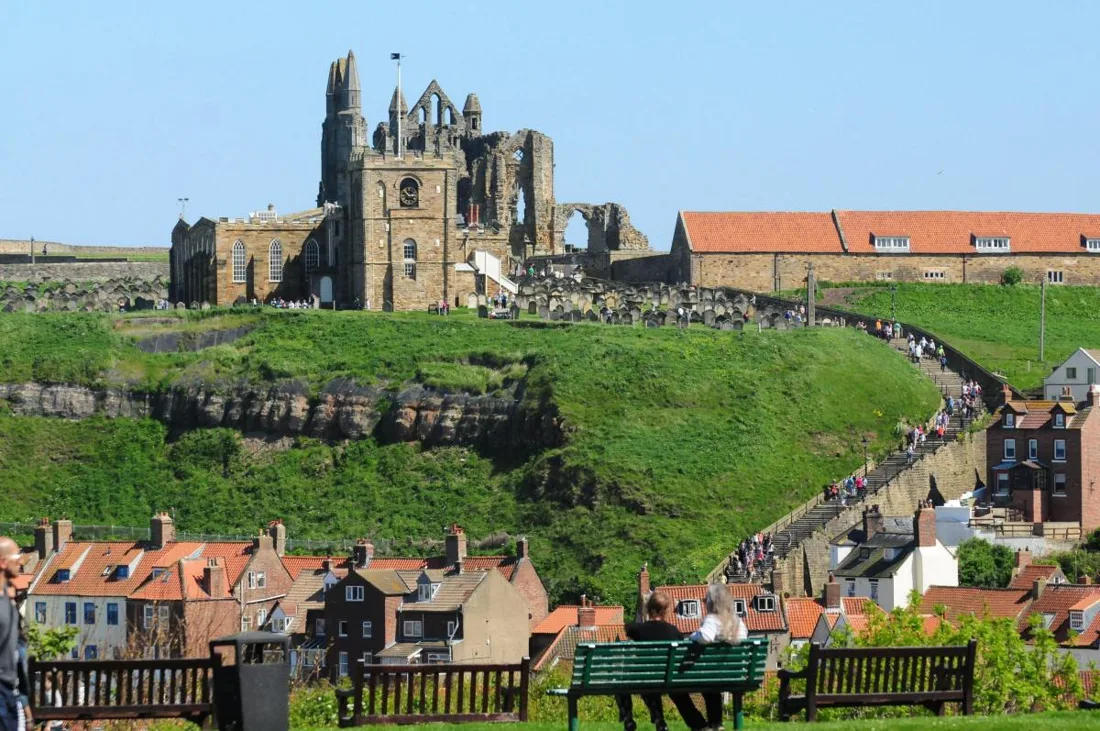
Visiting: English Heritage manages the visitor site. Check opening, tickets and accessibility before travel; the 199 Steps are not the only approach to the area. Official visitor information
Bram visited Whitman at 328 Mickle Street (now Dr Martin Luther King Jr Boulevard) on 2 November 1886 and again in December 1887. Their first meeting in March 1884 took place at Thomas Donaldson’s home in Philadelphia, not here.
Bram’s letter to the Royal Literary Fund of 25 February 1911 bears the address 4 Durham Place, Chelsea. The pin marks Durham Place itself, rather than an independently surveyed doorway.
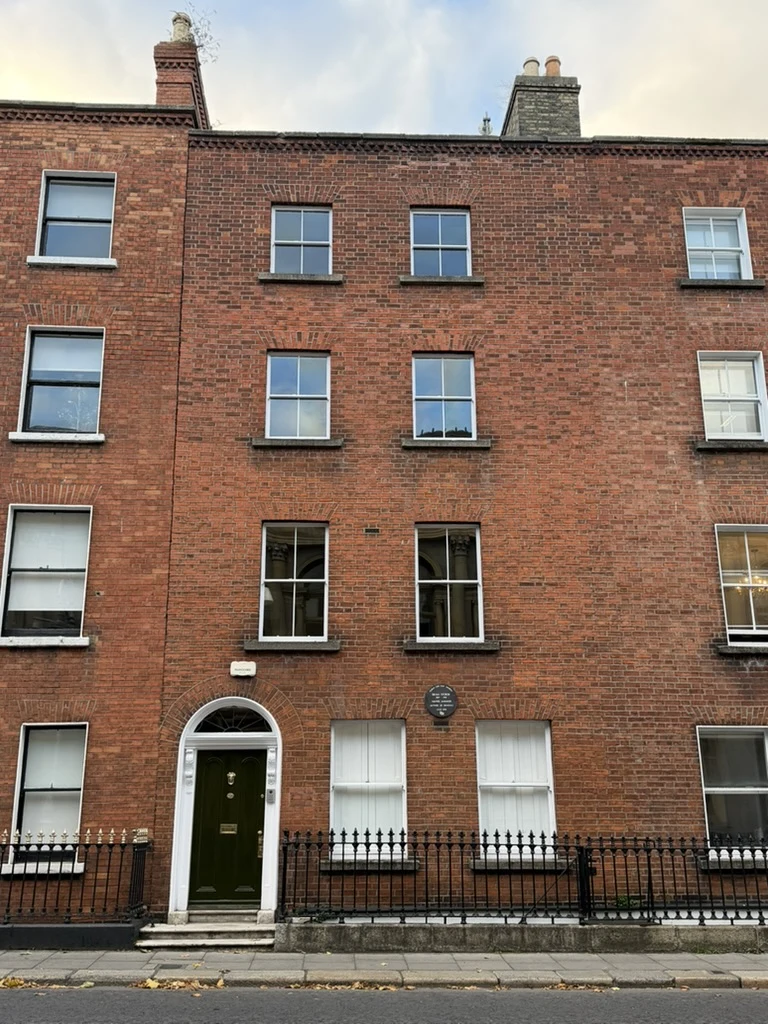
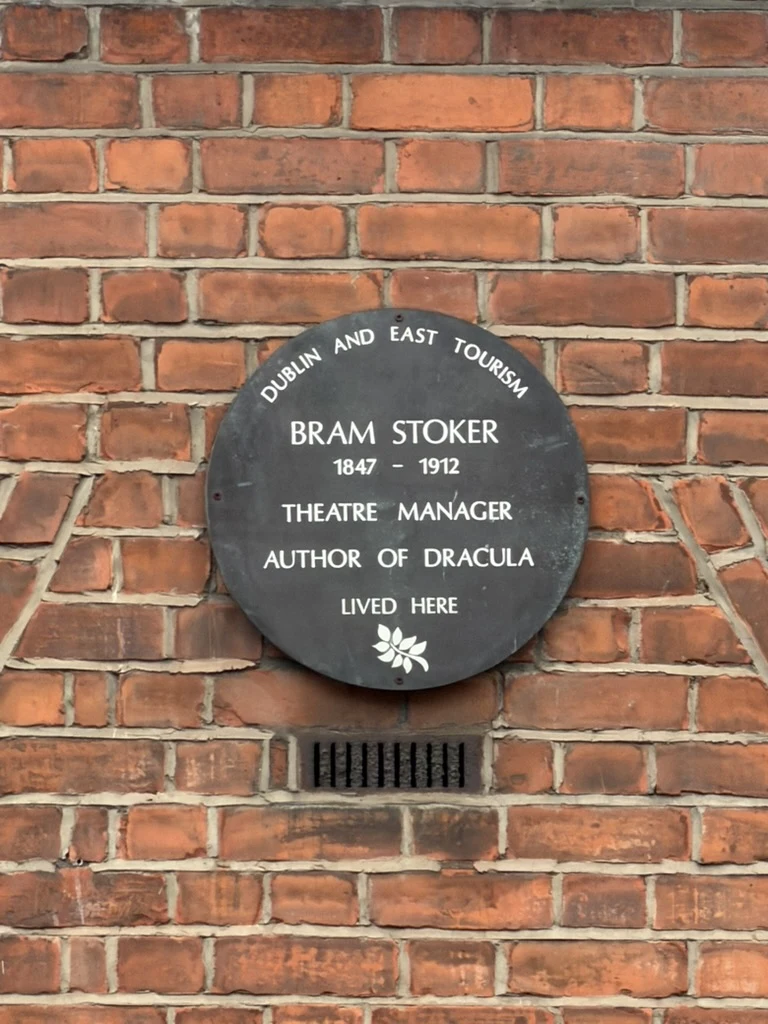
The National Inventory of Architectural Heritage records a wall plaque identifying this as Bram Stoker’s home. The plaque is documented; exact residence dates remain to be checked.
Visiting: A museum visit is separate from access to stored papers. Check tickets, opening and access arrangements at MoLI. Official visitor information
The Museum preserves Bram’s signature of 19 August 1890. In his time the Museum was on Pier Road above the Subscription Library; its current Pannett Park building is a different site.
Visiting: The present Museum welcomes visitors in Pannett Park. Ask whether the visitors’ book is on display or requires an appointment. Official visitor information
Florence Anne Lemon Balcombe, later Florence Stoker, was born in Falmouth on 17 July 1858. This marks the town as a family connection; the pin is an approximate town-centre location, not an identified birthplace address.
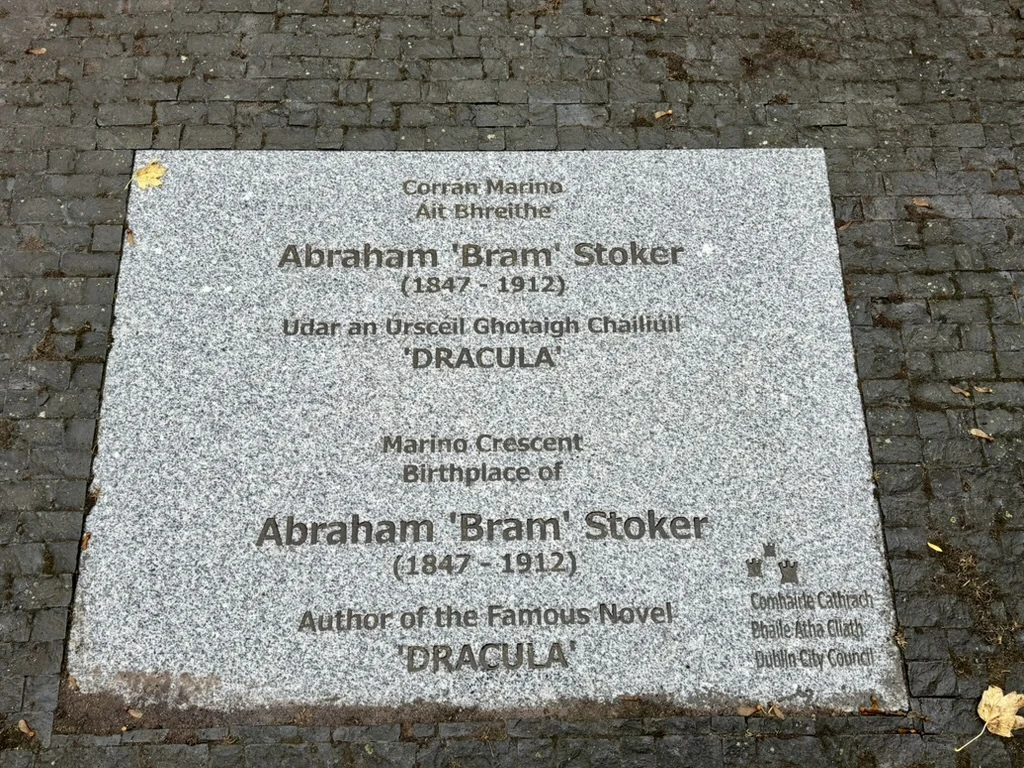
Bram’s memory is marked in the places he knew: the blue plaque at St Leonard’s Terrace in Chelsea, Bram Stoker Park opposite Marino Crescent in Dublin, and the Whitby memorial bench looking towards the landscape associated with the novel.
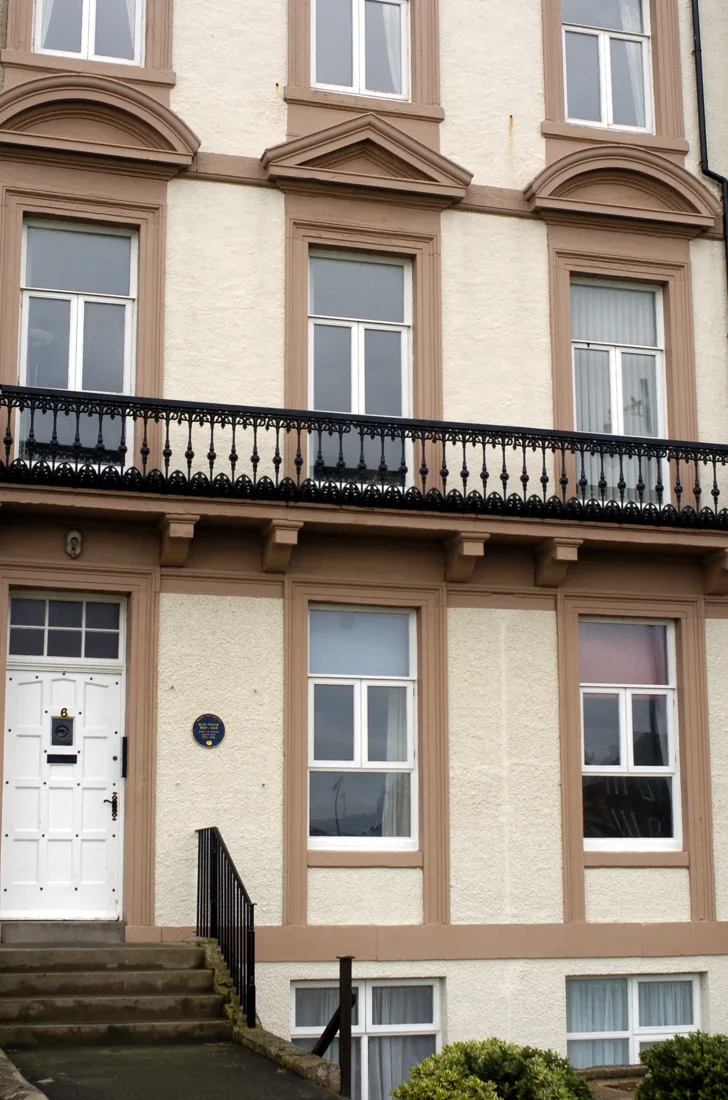
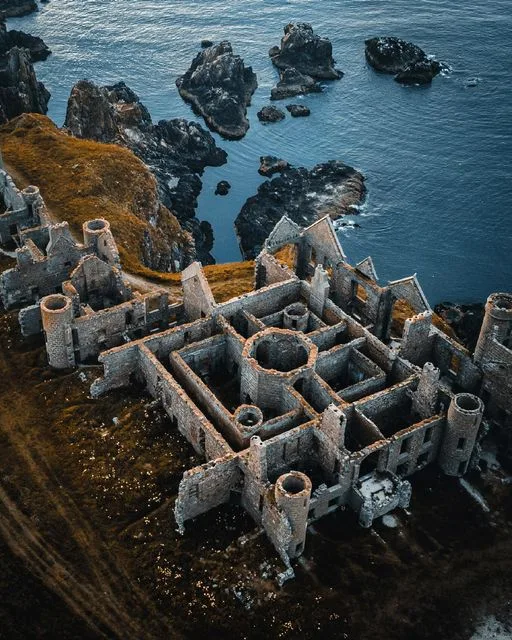
Whitby: 6 Royal Crescent, where Bram stayed, with Civic Society plaqueCourtesy of the Bram Stoker Estate.17–18 St Leonard’s Terrace – Bram’s Chelsea homesPhotograph: Jessica. Courtesy of the Bram Stoker EstateSlains Castle, Cruden Bay, from the airCourtesy of the Bram Stoker Estate.Whitby Abbey and St Mary’s Church above the townCourtesy of the Bram Stoker Estate.
Memorial plaque to Bram and Abraham Stoker near Marino Crescent, Clontarf.Courtesy of the Bram Stoker Estate.
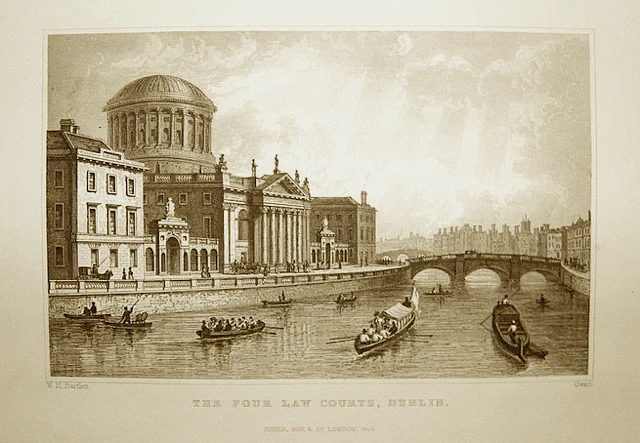
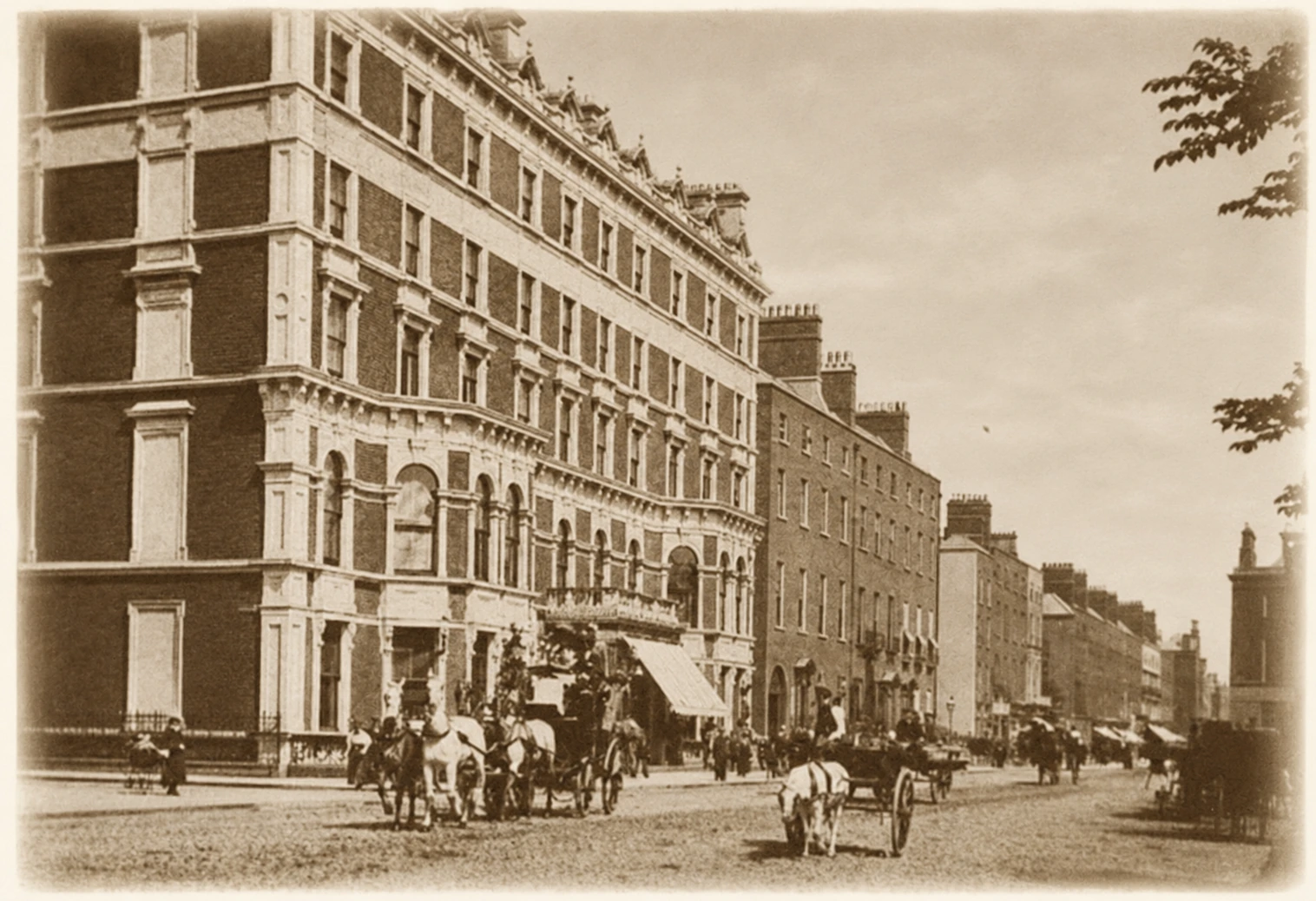
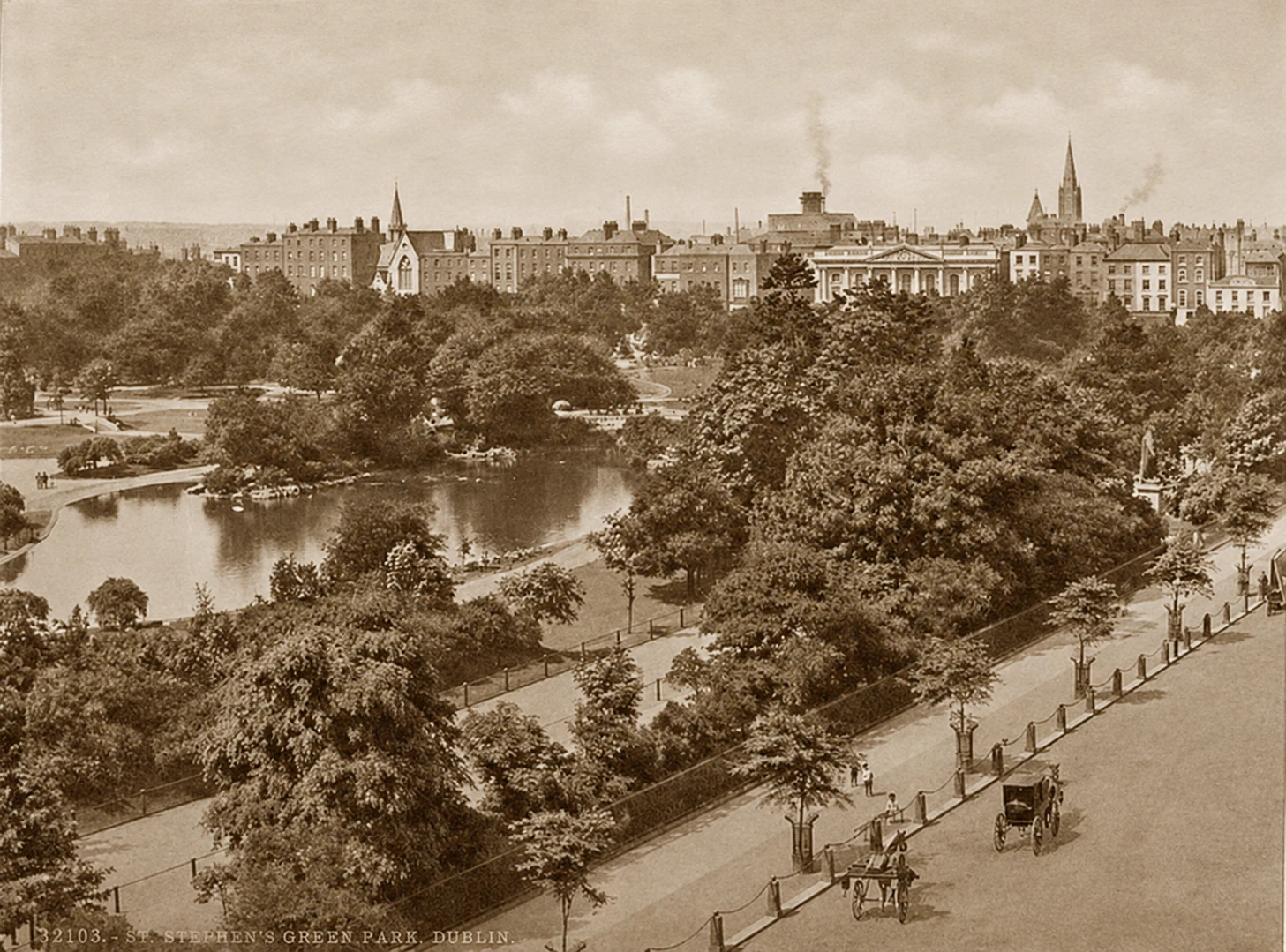
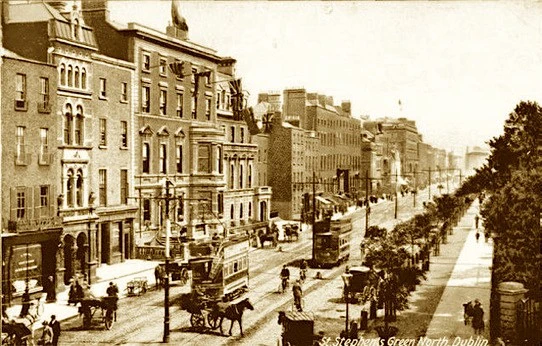
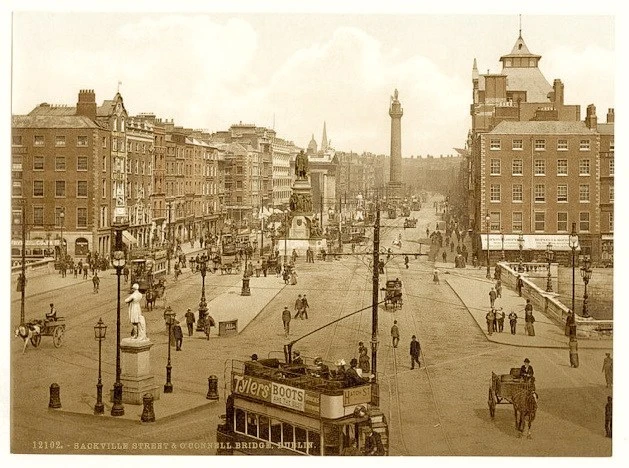
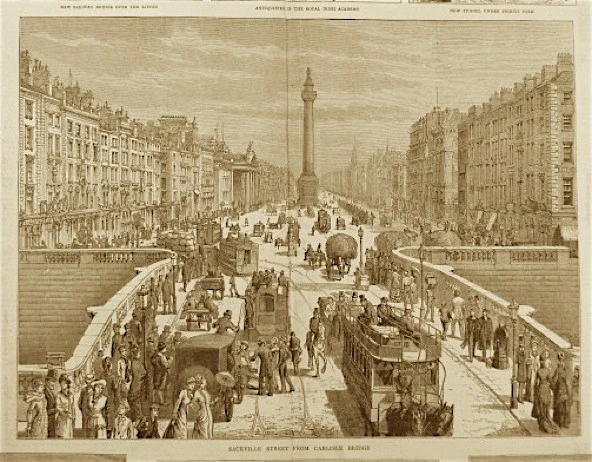
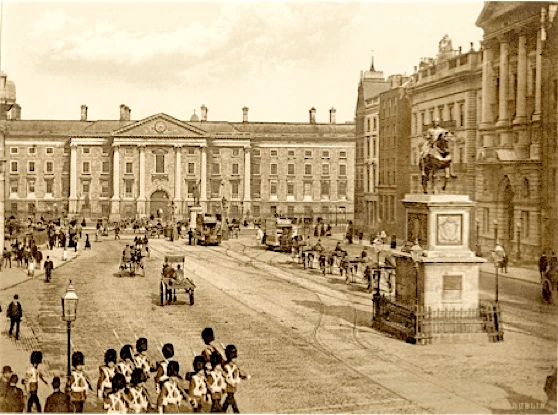
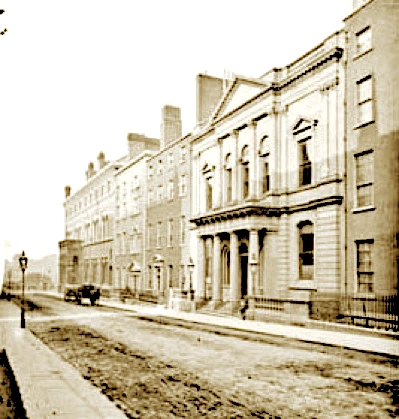
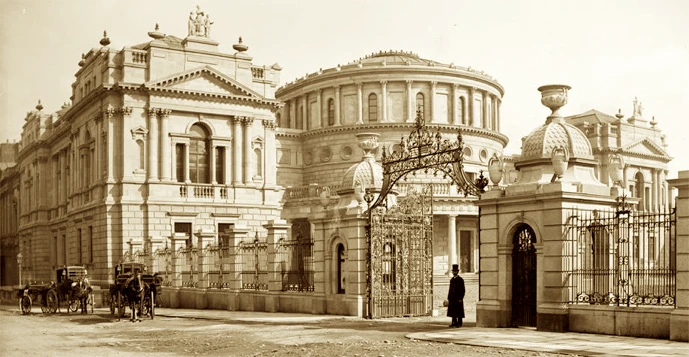
Historic views of Dublin
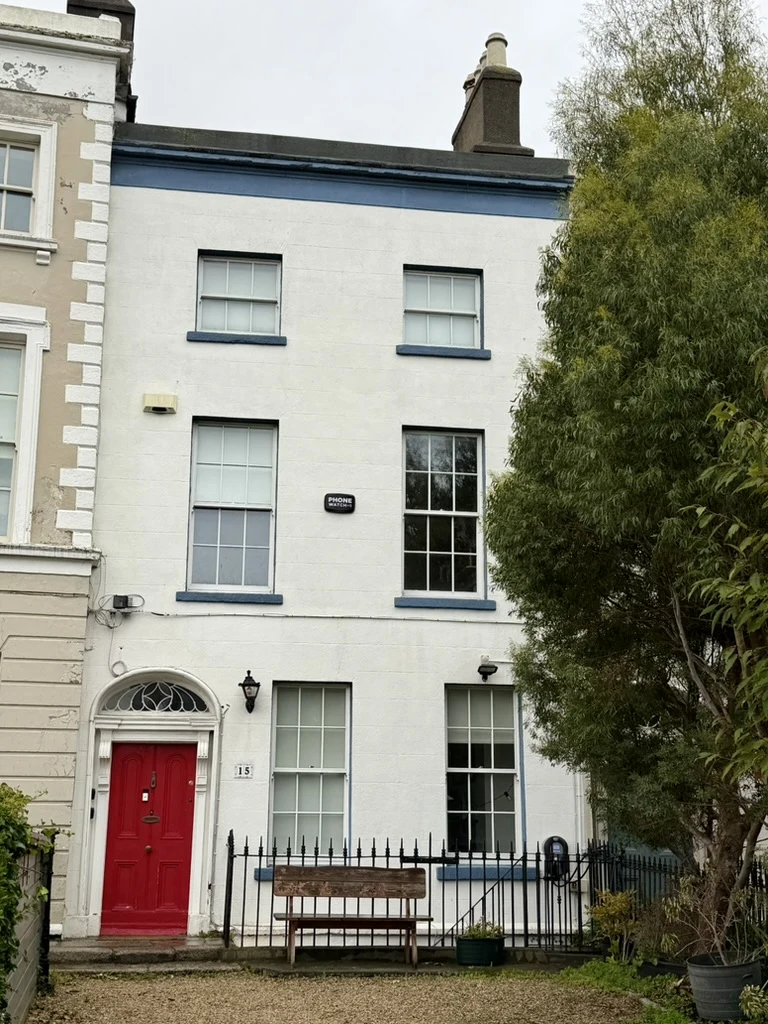
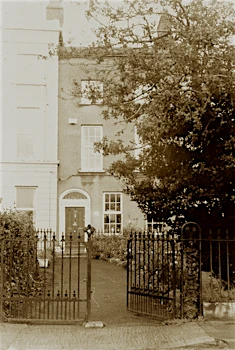
15 Marino Crescent, Clontarf (birthplace)Supplied from the Bram Stoker Estate records.
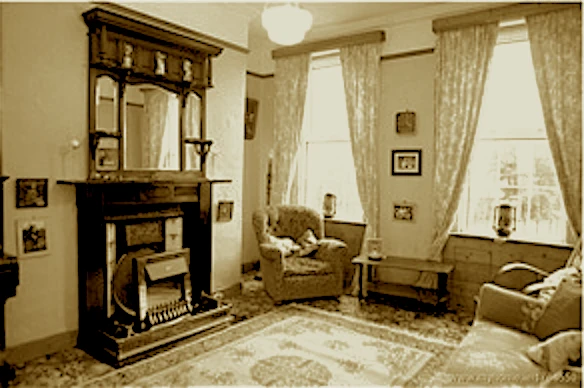
Parlour at 15 Marino CrescentSupplied from the Bram Stoker Estate records.
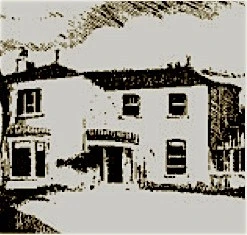
Artane Lodge (sketch)Supplied from the Bram Stoker Estate records.
The Museum’s account and visitor-book evidence place Bram at 6 Royal Crescent in late July, joined by Florence and Noel a week later. They made outings to Mulgrave Woods and Robin Hood’s Bay. He copied more than 90 gravestones and signed the Museum book on 19 August. The Museum and Subscription Library then occupied floors of the same Pier Road building; today’s Museum is in Pannett Park.
English Heritage dates his discovery of the name Dracula in the library to 8 August. This research date is separate from his 19 August Museum signature.
Google’s 8 November 2012 Doodle commemorated his 165th birthday. The Whitby memorial seat and local plaques are useful starting points for a visit; look at the inscription and distinguish its commemoration date from the event it remembers.
Each route distinguishes historical evidence from tradition and includes practical notes. Pins are approximate; access to a place does not imply access to a private building.