Press archive
Nosferatu – a Great Movies reassessment
28 September 1997 · RogerEbert.com / Chicago Sun-Times archive
Estate summary
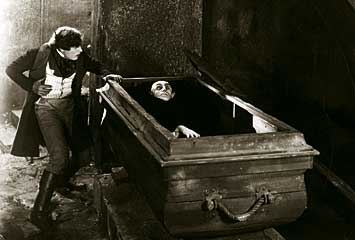
In this Great Movies essay, Roger Ebert argues that Nosferatu retains its power because it approaches the vampire with conviction, before the figure became familiar through decades of imitation and parody. He examines Max Schreck’s animal-like presence, Albin Grau’s designs and Murnau’s handling of shadows, unusual camera effects and movement within the frame. The sea voyage, coffins and spreading fear connect the monster with disease and collective anxiety, while Ellen’s sacrifice invites a reading of the film’s sexuality and social order. Ebert distinguishes this haunting imaginative force from the sudden shocks expected of much modern horror. He also considers why silence matters: the characters cannot simply talk away the disturbing images confronting them. The essay is a later critical reassessment, published in 1997, rather than an original review from the film’s 1922 release. Its interpretations should be read as Ebert’s arguments, not as a statement of Murnau’s documented intentions.
Original source
Read the full article on the publisher’s website.
Read the original article ↗Link checked 7 November 2026. Publisher pages open in a new tab.
Saved archive record
The title, date, source details and any Estate summary above are saved on this website, so this record remains available if the publisher’s page changes.
A full copy of this article is not currently held here. Original scans and full texts will be added where available and permitted.