Press archive
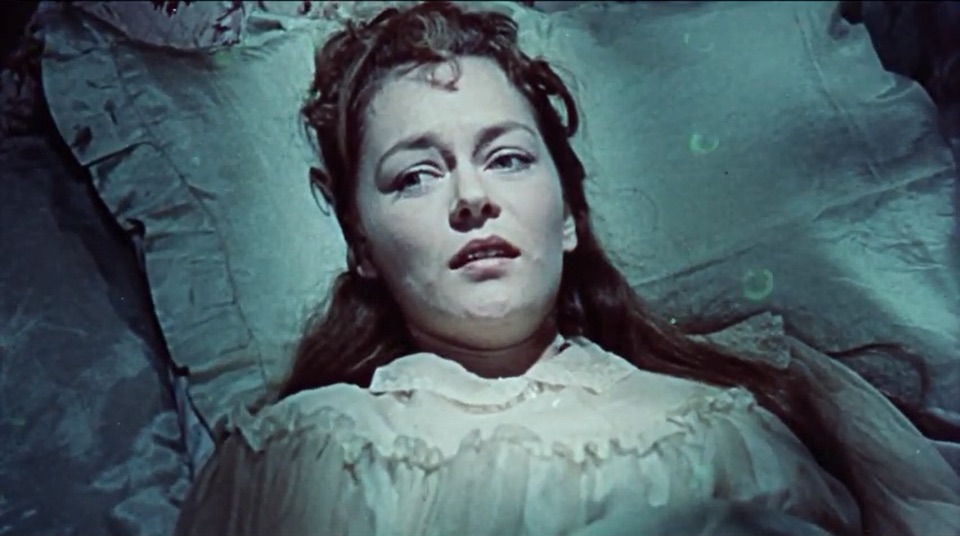
Horror of Dracula : Hammer and a changing Britain
February 2005 · Senses of Cinema
Estate summary
Tony Williams reads Hammer’s 1958 Dracula as a response to changing British social and sexual conventions. He relates Christopher Lee’s aristocratic Count to a repressed Romantic tradition, while examining how the film’s colour, design, music and performances give forbidden desire a powerful screen presence. Van Helsing’s scientific methods provide a competing appeal to rational order. Williams also argues that comic interludes and familiar assumptions about British normality contain some of the story’s disruptive possibilities. His essay therefore treats the film as culturally conflicted rather than simply liberated or conservative. These are the critic’s interpretations, published in 2005, not documented statements of the filmmakers’ intentions.
Original source
Read the full article on the publisher’s website.
Read the original article ↗Link checked 7 November 2026. Publisher pages open in a new tab.
Saved archive record
The title, date, source details and any Estate summary above are saved on this website, so this record remains available if the publisher’s page changes.
A full copy of this article is not currently held here. Original scans and full texts will be added where available and permitted.