Press archive
Dracula A. D. 1972
13 December 1972 · RogerEbert.com / Chicago Sun-Times archive
Estate summary
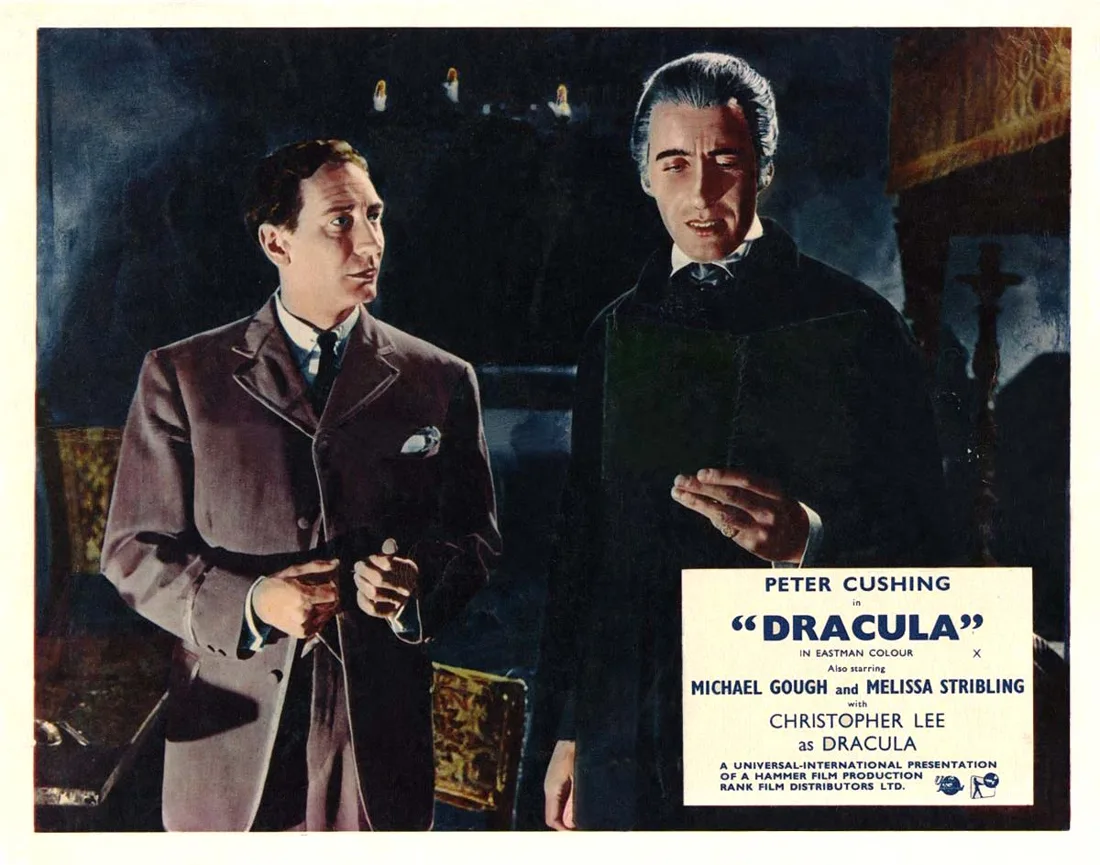
Roger Ebert responds to Dracula A.D. 1972 with comic scepticism, turning the recurring rituals used to revive the Count into evidence that Hammer’s formula has become exhausted. His review spends much of its energy teasing the mechanics of stored blood, supernatural infection and yet another resurrection, rather than accepting them as frightening. He also argues that the film’s contemporary characters and locations imitate the atmosphere of Stanley Kubrick’s A Clockwork Orange. That comparison carries a sharper criticism: a studio he credits with having revitalised horror and established Christopher Lee as a major figure now seems to be following someone else’s fashionable lead. The result is a strongly negative contemporary response to Hammer’s attempt to bring Dracula into modern London. Ebert’s joking tone is itself part of the evidence of how this instalment was received, and should not be mistaken for a literal account of vampire lore.
Original source
Read the full article on the publisher’s website.
Read the original article ↗Link checked 7 November 2026. Publisher pages open in a new tab.
Saved archive record
The title, date, source details and any Estate summary above are saved on this website, so this record remains available if the publisher’s page changes.
A full copy of this article is not currently held here. Original scans and full texts will be added where available and permitted.